Day 2: Wednesday February 25th, 2026
Breakfast & Registration
7:30am-9:00am
Pool Lobby
Panel B: Working Together to Conserve Char
9:00am-10:30am
Community Hall
Heidi Swanson
Moderator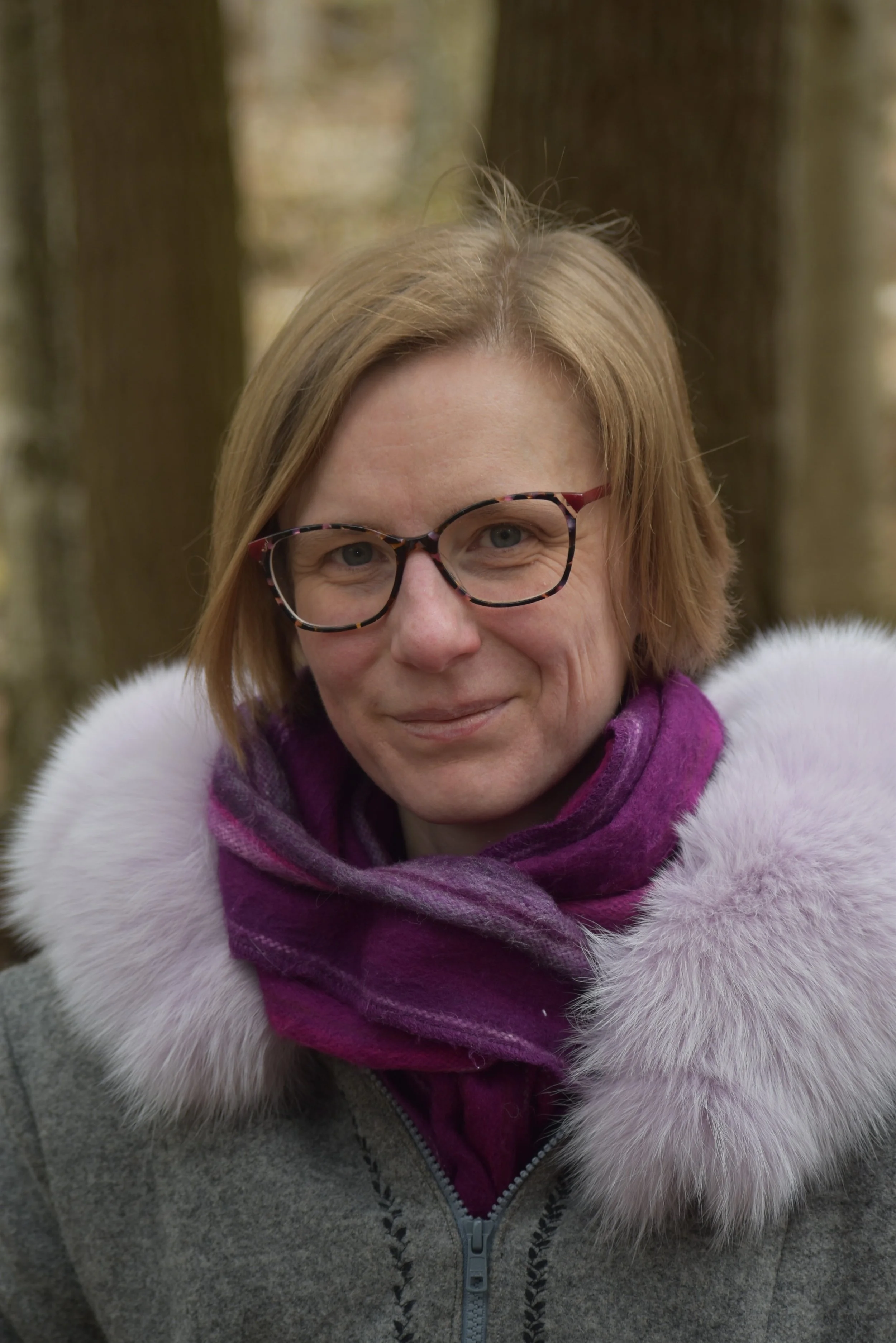
Wilfrid Laurier University
Panelist
Senior Park Ranger, Herschel Island–Qikiqtaruk Territorial Park
Richard Gordon
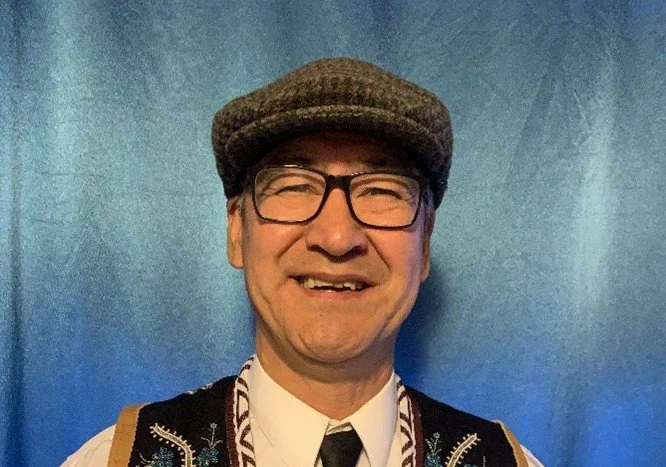
Panelist
Regional Director General for the Department of Fisheries and Oceans (DFO) Arctic Region
Amy Amos
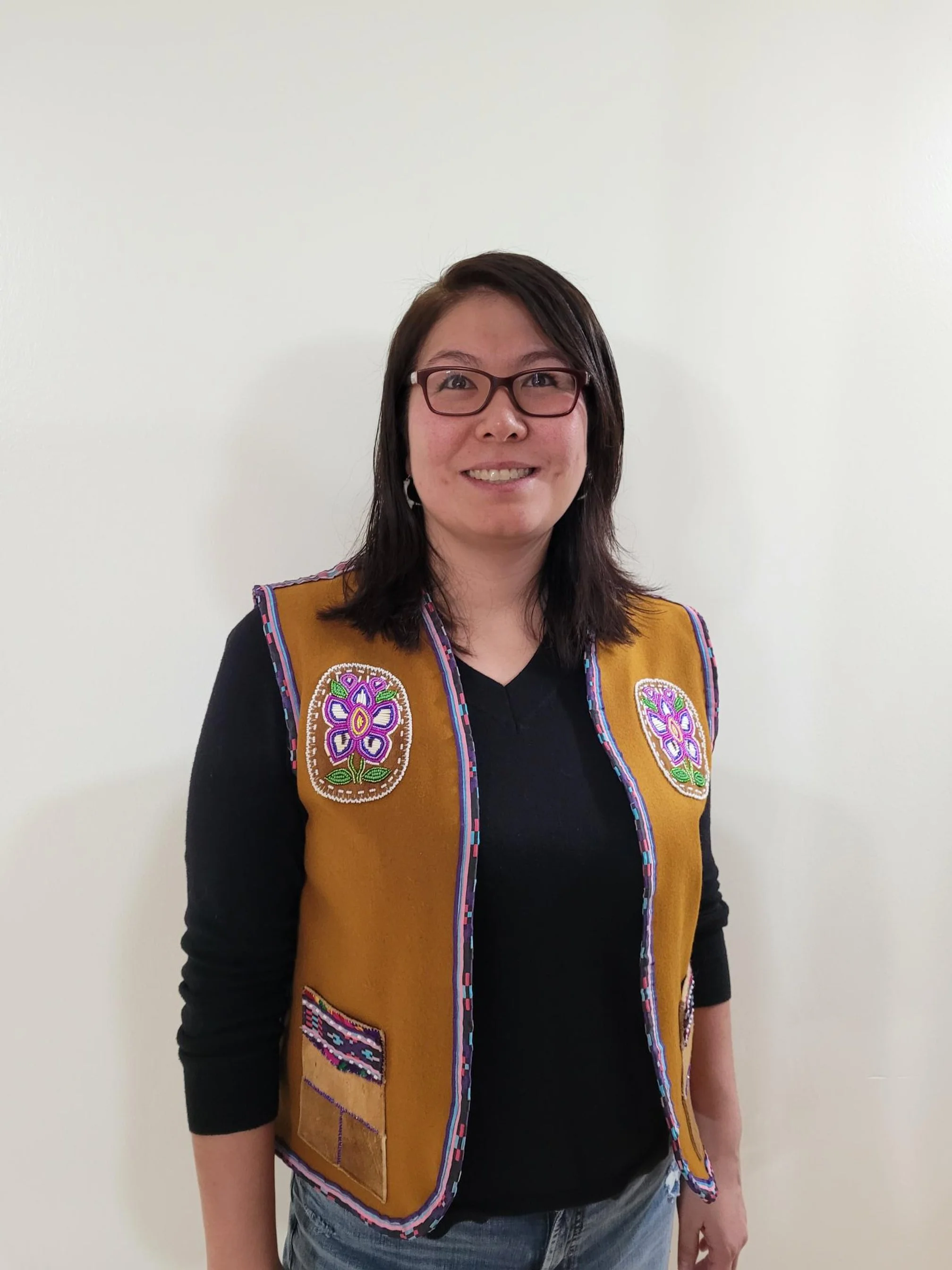
Panelist
University of Northern British Columbia, Canada Research Chair in the Cumulative Impacts of Environmental Change.
Tristan Pearce
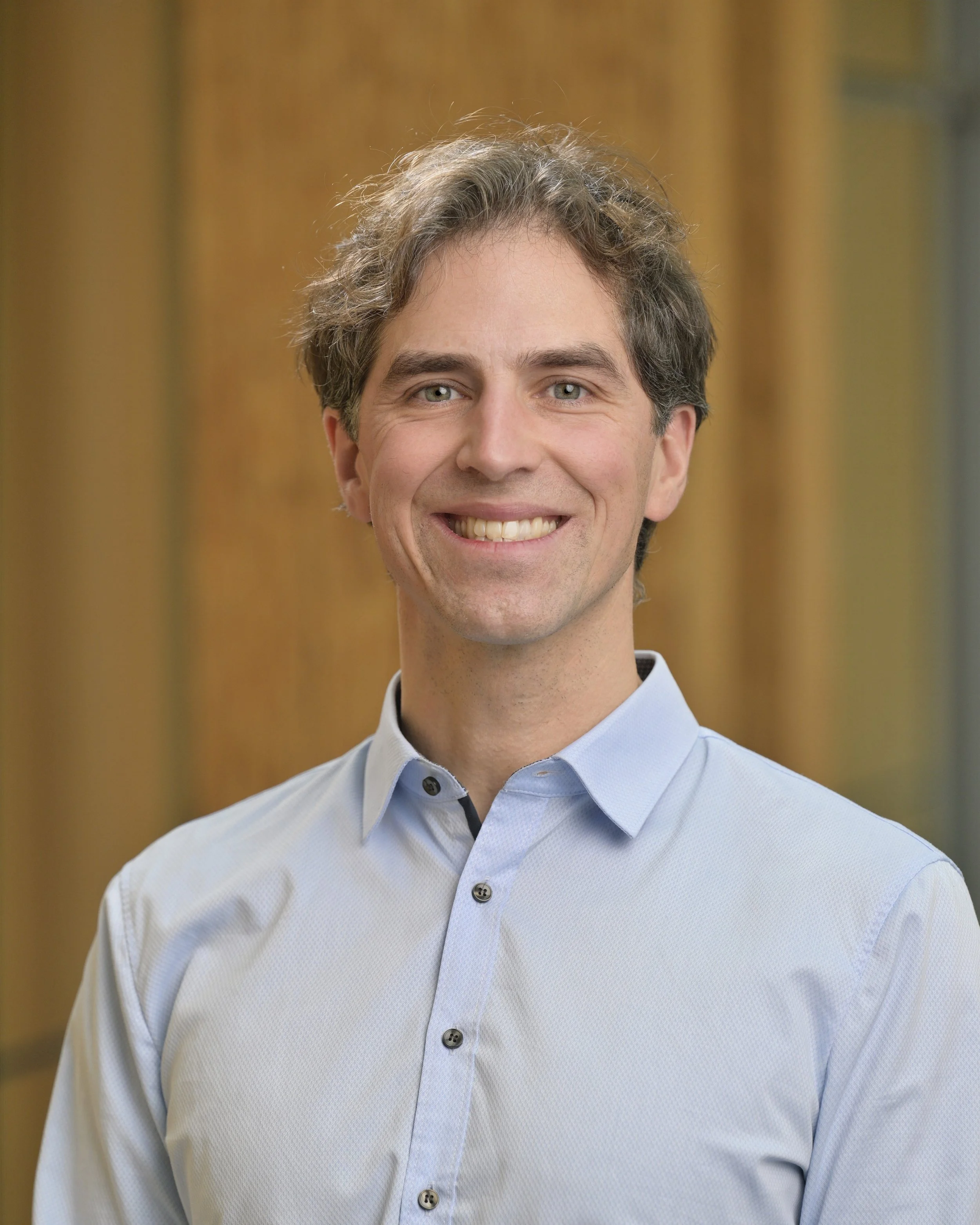
Break
10:30am-11:00am
Workshop Block 3
11:00am-12:15pm
Workshops
-
Facilitator: Jean-Sébastien Moore, Université Laval
The genetic toolbox available to researchers has vastly expanded in recent years, but accessibility in the context of northern Indigenous fisheries has not necessarily kept pace with applications in more densely populated regions. In this workshop we will discuss new applications of genomics and other DNA-based tools in the management of Char species in the Arctic. We will discuss how genomic tool can offer new tools to better understand the phenotypic diversity the group is known for, and will also discuss other more direct applications linked to the management of mixed-stock fisheries or eDNA-based monitoring.
-
Facilitators: Trevor Lantz, University of Victoria
Steve Kokelj, NWT Geological Survey
Suzanne Tank, University of AlbertaThis workshop will provide an overview of recent research on permafrost landslides, their proximity to important fishing places and impacts on streams. Following a short presentation, workshop facilitators will guide a discussion of priorities for future research and monitoring, and seek to identify key opportunities and constraints.
-
Facilitators: Laurissa Christie, DFO
Caitlyn Freisen, DFO
Colin Gallagher, DFOFish are responding to rapid environmental change in the western Canadian Arctic by changing their distributions. Arctic fish, like char and Dolly Varden, may be responding to the same changing conditions that facilitate the appearance of range-expanding fish like salmon. In this session, workshop participants are invited to share observations and knowledge of any changes in where, when, and what kinds of fish are being harvested in their community. Together, we will discuss potential impacts and opportunities associated with distribution changes for Arctic and subarctic fish, aim to identify priorities for future research to inform management decisions, and discuss how to best communicate information together.
-
Facilitators:
Jayde Ferguson, Alaska Department of Fish and Game
Zoe Stacey, Polar Knowledge CanadaThe workshop will provide an overview of current knowledge on Arctic fish health in Canada and Alaska, featuring examples from individual case studies. Future research goals aimed at addressing existing knowledge gaps will also be presented. The session is designed to encourage interaction between presenters and participants.
Lunch
12:15pm-1:30pm
Pool Lobby
Interactive Activity:
Life Cycle of a Char
1:30pm-3:00pm
Facilitator: David Haogak, Parks Canada
The life cycle of a char is an interactive group activity that focuses on information that will be gathered by the participants at the Summit. It will be a facilitated discussion and the information will be displayed and discussed. The activity will have 4 seasons that will be brought forth by the participants and what people know about them during each season.
Break
3:00pm-3:30pm
Panel C: Elder’s Panel
3:30pm-5:00pm
Community Hall
Moderator
Chair, Gwich’in Renewable Resources Board
Robert Charlie-Tetlichi

Panelist
Community of Fort McPherson
Mary Teya
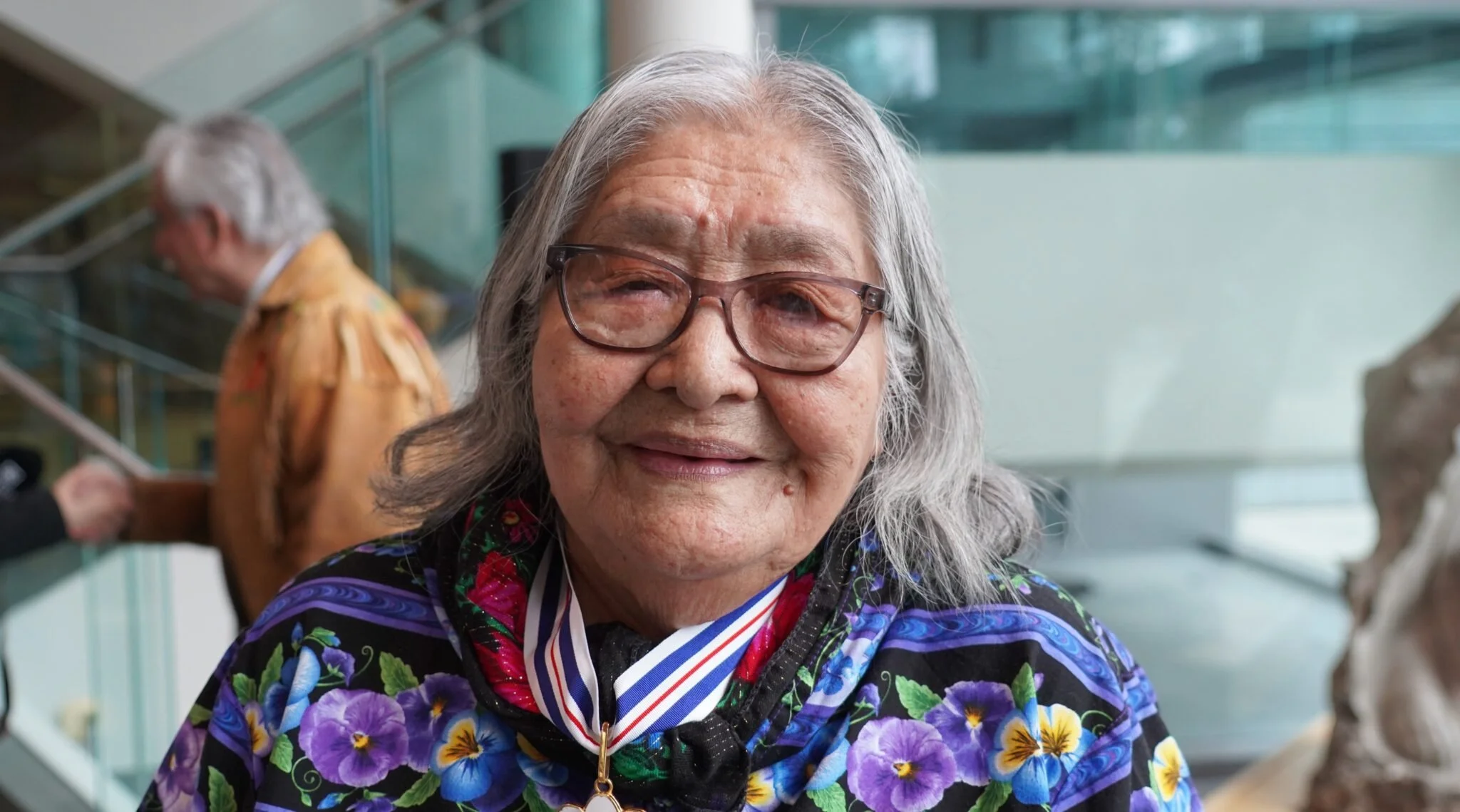
Panelist
Community of Aklavik
Nellie Arey
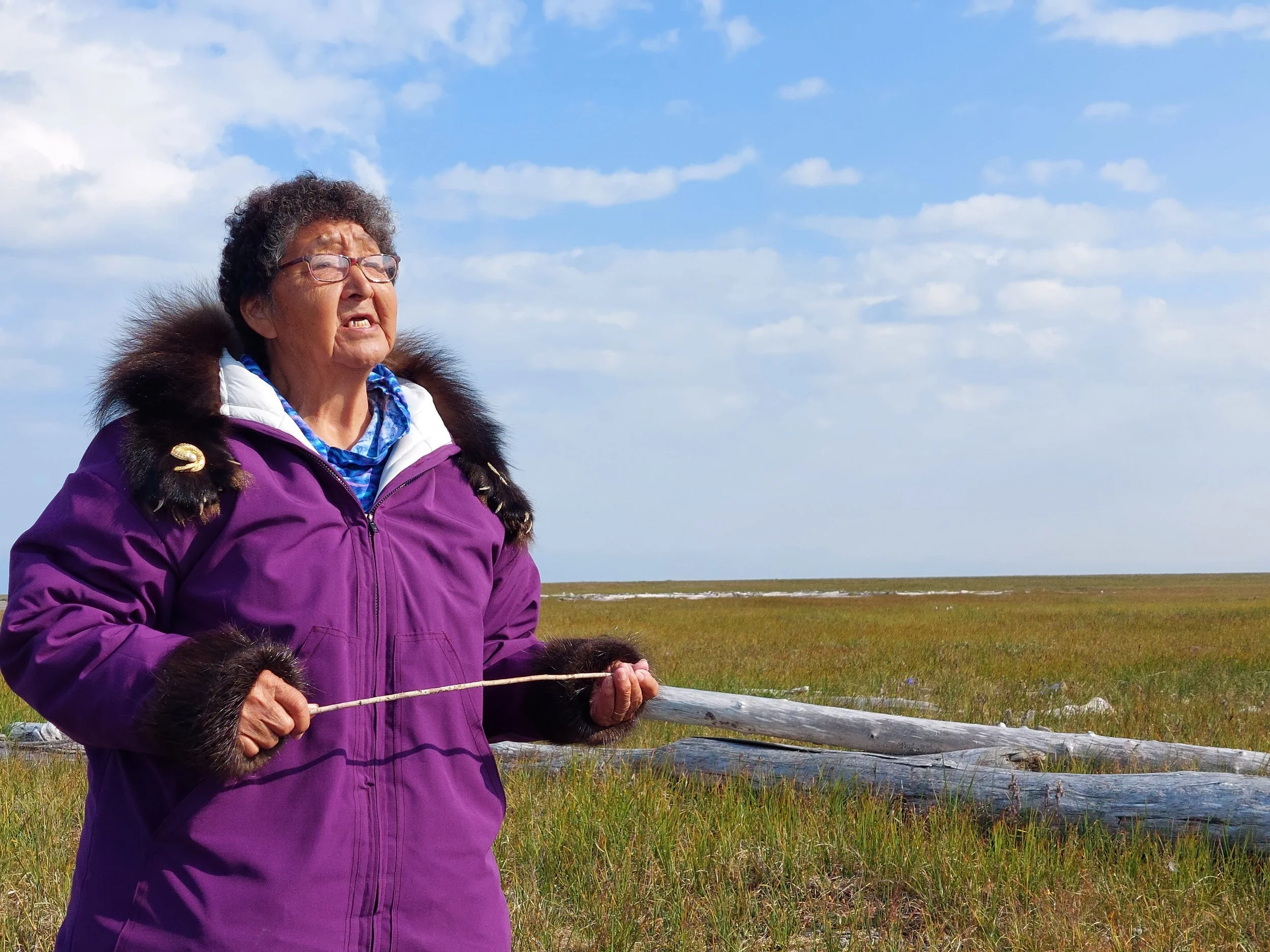
Panelist
Community of Aklavik
Billy Archie