
Speakers
The Char Summit has over 30 speakers who will be facilitators, panelists & moderators from across the region and the country, including community representatives, academics, government, and more!
Emcee
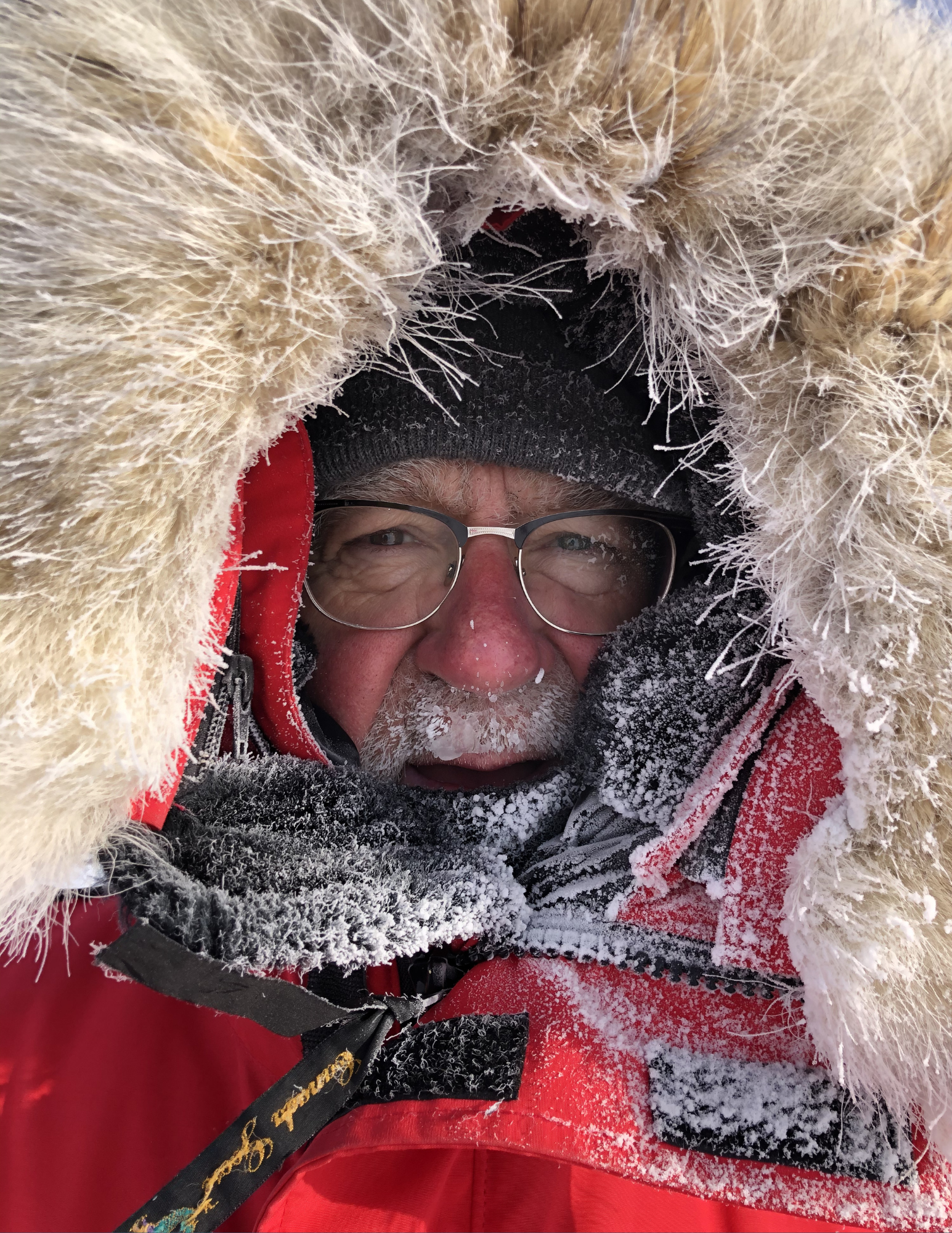
Burt Hunt
Emcee
Burt Hunt's northern fisheries experience began in 1972 when he worked as part of the Fisheries Service crew studying and thereafter publishing "Fish Resources of the Mackenzie River Valley". He returned for several years as Area Director for DFO's Central and Arctic Region and subsequently became Regional Director of Fisheries Management. He has served on the Gwich'in Renewable Resources Board since his retirement from DFO in 2012.
Keynote Address
Tuesday February 24, 2026
9:30am-10:15am
Amy Amos
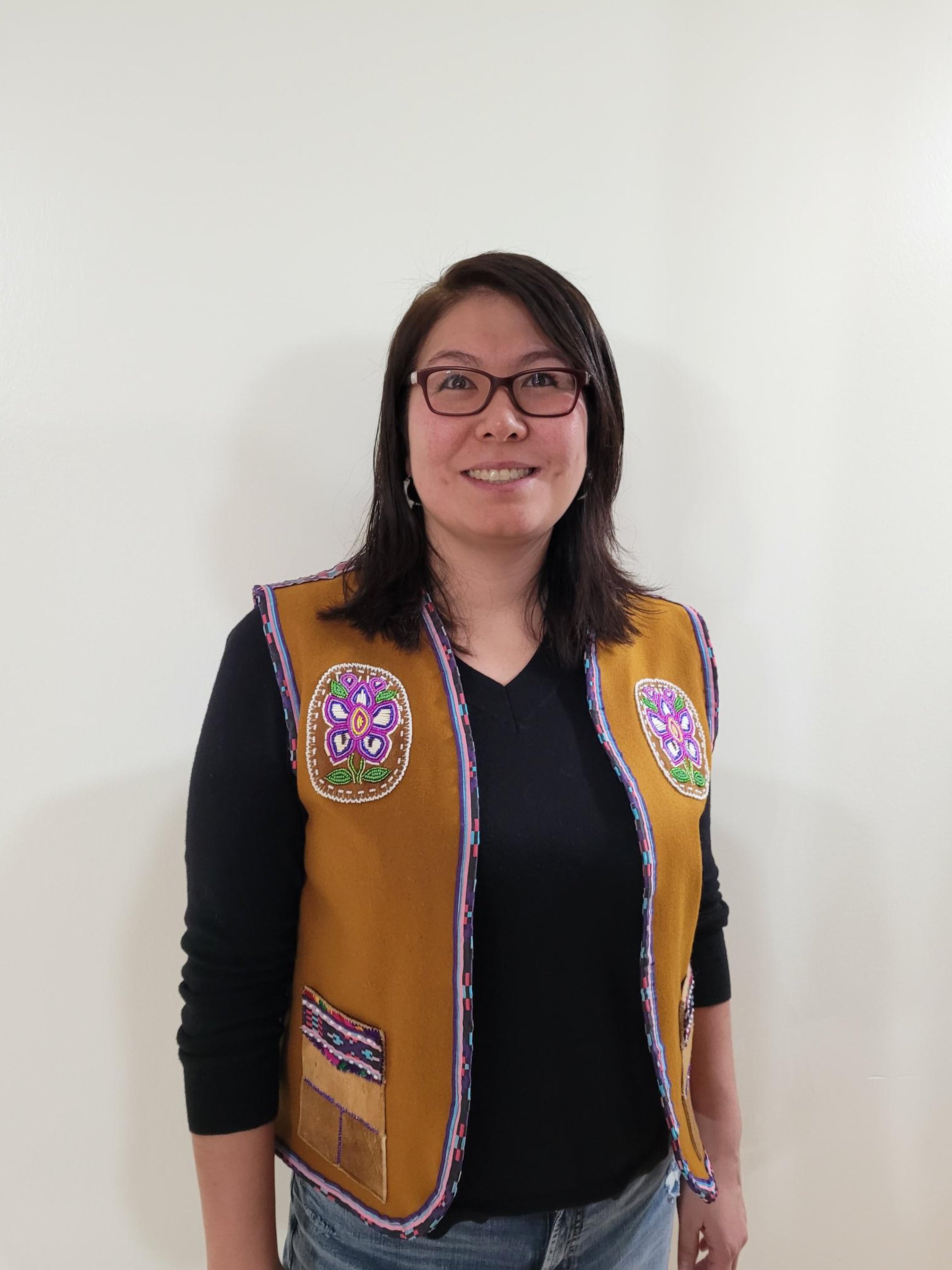
Keynote SpeakerAmy is from the Gwich’in First Nation and was born in Inuvik, NT. She is currently the Regional Director General for the Department of Fisheries and Oceans (DFO) Arctic Region. As a northerner, she has a deep appreciation for, and knowledge of the Arctic. Since joining DFO in 2021, she has developed an understanding of the Government’s priorities in the North and across Canada. Amy brings significant experience to this role having spent time as the Associate Regional Director General for the DFO Arctic Region, where she has led DFO’s participation in key initiatives including the implementation of the Inuit Nunangat Policy as well as the development of a Northern Recruitment and Retention Strategy for DFO and the Canadian Coast Guard. Before joining DFO, she spent 16 years working for the Gwich’in Renewable Resources Board in Inuvik, NT as both a biologist and Executive Director. In this role, she was very involved in the co-management of Dolly Varden in the Gwich’in Settlement Area. Amy holds a Bachelor’s Degree in Science from Mount Saint Vincent University. She is also the Department of Fisheries and Oceans’ national champion for Indigenous employees.
Workshop Block 1
Tuesday February 24, 2026
11:00am-12:15pm
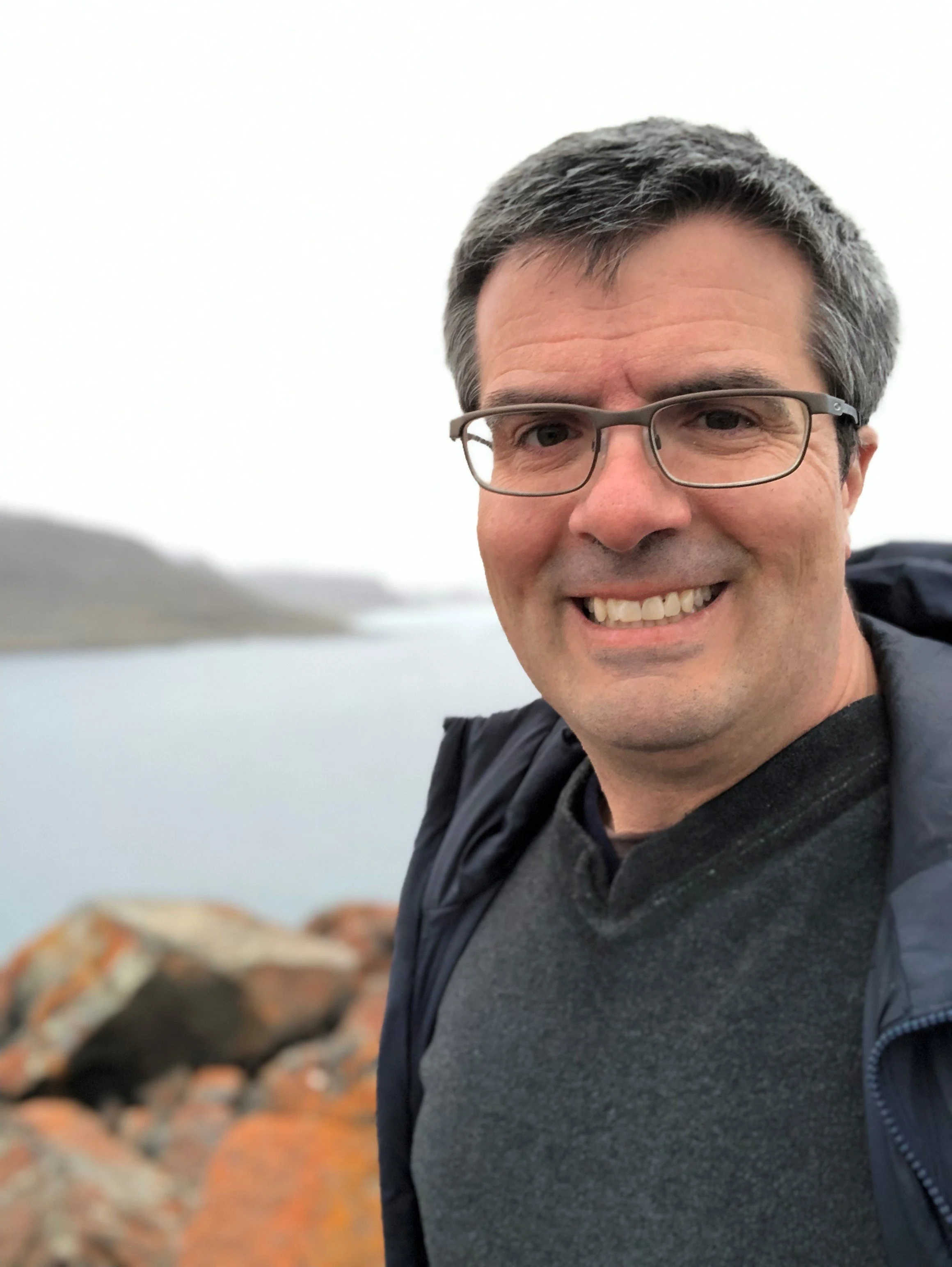
Colin Gallagher
For over 20 years, Colin has been involved in research on several char species in the Arctic and sub-Arctic. He has the pleasure of working closely with Inuvialuit and Gwich’in co-management partners and harvesters in several communities to implement searun char monitoring programs to track the status of populations.
Workshop Facilitator: Changing abundance of searun char population in the western Canadian Arctic 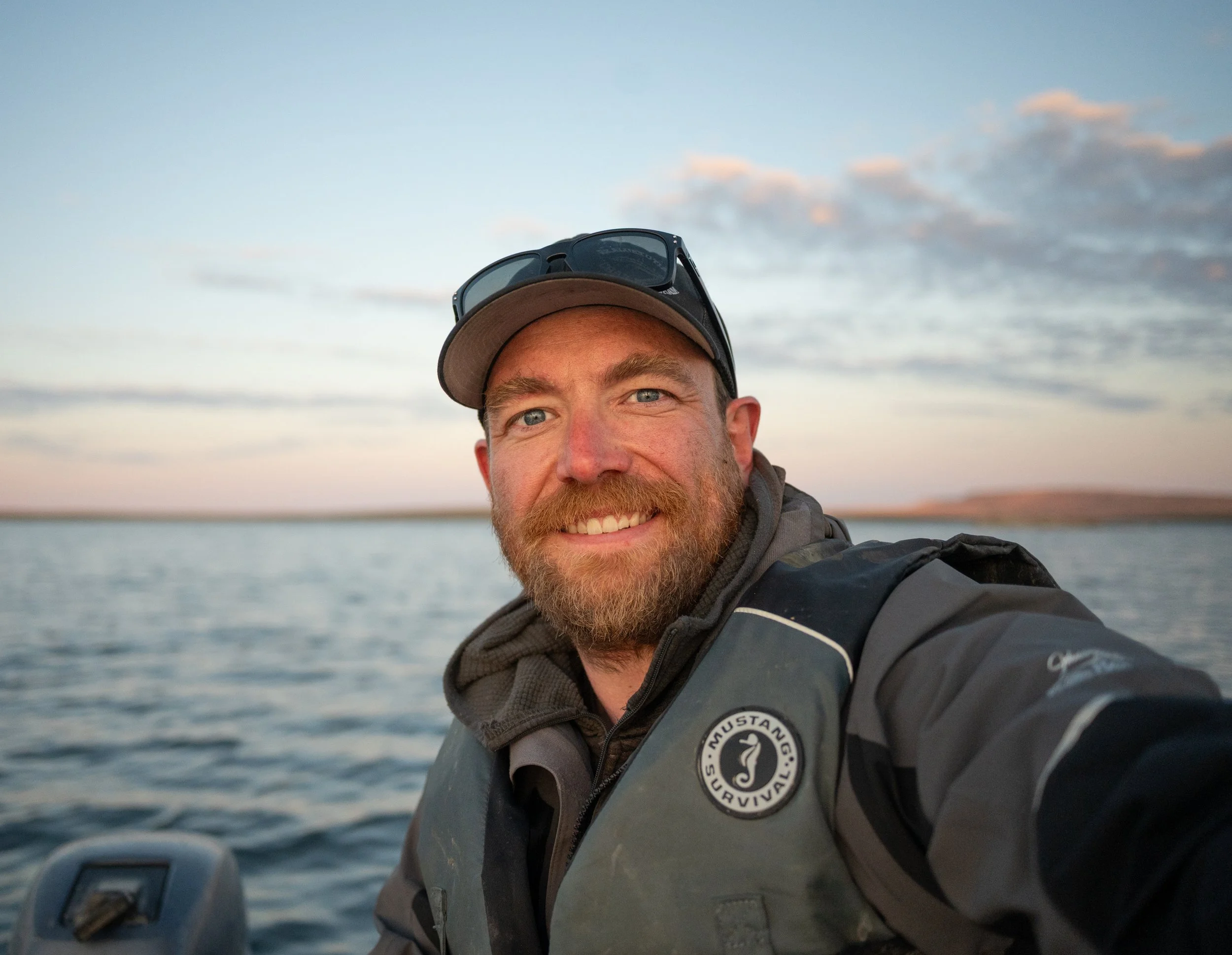
Matt Gilbert
Matt Gilbert is an Assistant Professor in Animal Physiology at the University of Alaska Fairbanks. His research focuses on understanding how environmental change and variation impacts fish health and performance. Matt has been working in the Kitikmeot Region of the Canadian Arctic since 2012 with a focus on Arctic char and changing temperatures.
Workshop Facilitator: Changing northern temperatures and their diverse consequences for char
Sharon Clouthier
Dr. Sharon Clouthier grew up in southwestern Manitoba, with ancestral roots in Scotland and Ireland. She earned her Ph.D. in biochemistry from the University of Victoria and, after working on both the Pacific and Atlantic coasts, returned to central Canada to continue her research on viruses affecting aquatic animals. Her work investigating viruses of northern char and the potential disease risk of vagrant Pacific salmon in Canada’s western Arctic began in 2009 upon joining DFO in Winnipeg. She values the long-standing collaboration with northern communities who helped collect samples over the past 15 years and looks forward to exchanging knowledge with all participants at the workshop.
Workshop Facilitator: Viruses in char and associated species in the western Canadian Arctic
Oliver Lung
Dr. Oliver Lung’s research interest includes identification, transmission and evolution of novel and unexpected pathogens in terrestrial and aquatic animals. He obtained his Ph.D. in Molecular Biology and Genetics from Cornell University in 2000. He joined the Canadian Food Inspection Agency’s Animal Disease Research Institute in Alberta as a Research Scientist and led the microarray facility. In 2015, he established and continues to lead the Genomics Unit at the Canadian Food Inspection Agency’s high-containment laboratory at National Centre for Foreign Animal Disease in Winnipeg. For the past four years, Dr. Lung has been collaborating with Dr. Clouthier to investigate the virome of northern char and salmon species using advanced molecular approaches.
Workshop Facilitator: Viruses in char and associated species in the western Canadian ArcticWorkshop Block 2
Tuesday February 24, 2026
1:45pm - 3:00pm
Brett van Poorten
Workshop Facilitator: Indigenous and Western approaches to determine char abundanceBrett works to take information (data, interviews) and use them to provide clear and informed rationale for decision-makers. He has worked all across Canada on many char (Dolly Varden, Bull Trout, Lake Trout).

Maya Townend
Maya worked with community members to understand the changes people have experienced in the Char fishery and the landscape overall. This work has helped suggest ways to adapt and helped recognize objectives people have for the Char fishery, which is useful for later projects and for the char working groups.
Workshop Facilitator: Indigenous and Western approaches to determine char abundanceA
Angela Ratzburg
My work involves understanding the scope of change that has occurred in the Mackenzie Delta Dolly Varden fisheries over the past several decades. I will work with harvesters and elders to understand the scale the Dolly Varden fishery in previous generations and use this information to recreate the fishery using quantitative models. This will help us understand how productivity has declined and how we can manage in the face of a similar uncertain future
Workshop Facilitator: Indigenous and Western approaches to determine char abundance
Michael Berry
My name is Michael Berry and I am the environmental coordinator at the Gwich'in Renewable Resources Board, and a master's student at Simon Fraser University. Working with Char has been an important part of my life for the past several years, and I have come to respect them as a remarkable species and something that should be protected for current and future generations
Workshop Facilitator: Indigenous and Western approaches to determine char abundanceA

Andrew Seitz
Workshop Facilitator: Alaska perspectives on Dolly VardenAndy Seitz is a Professor of Fisheries at the University of Alaska Fairbanks. In addition to teaching fisheries courses, he conducts research that focuses on fish behavior and migration in both marine and fresh waters. He has studied Dolly Varden across Arctic Alaska, including in the northwest and northeast portions of the state.
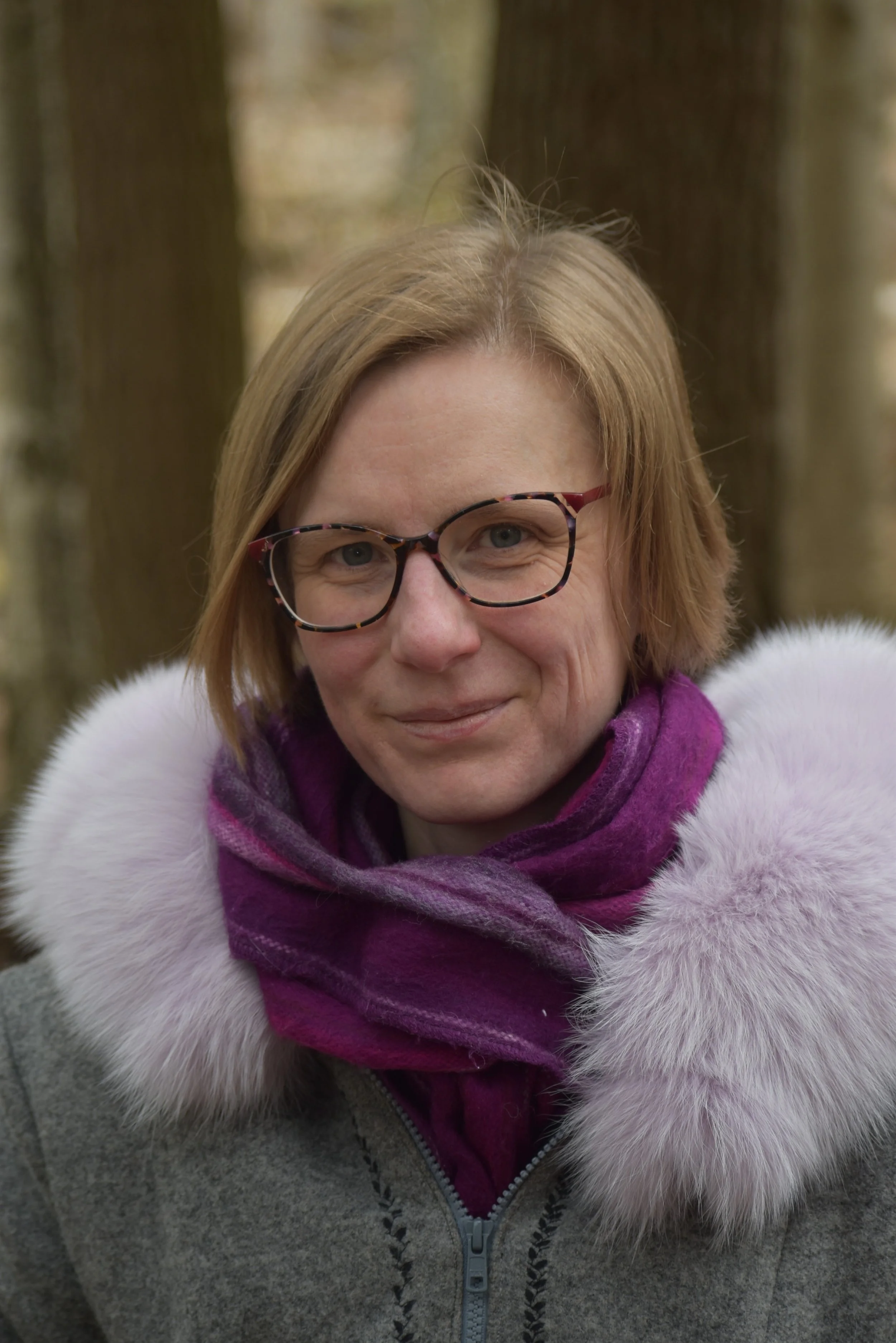
Heidi Swanson
Workshop Facilitator: Movements and distributions of searun char Heidi is a scientist who has been working to understand the diet and movement of chars in the Kitikmeot Region for ~ 20 years. She currently works at Wilfrid Laurier University.
A
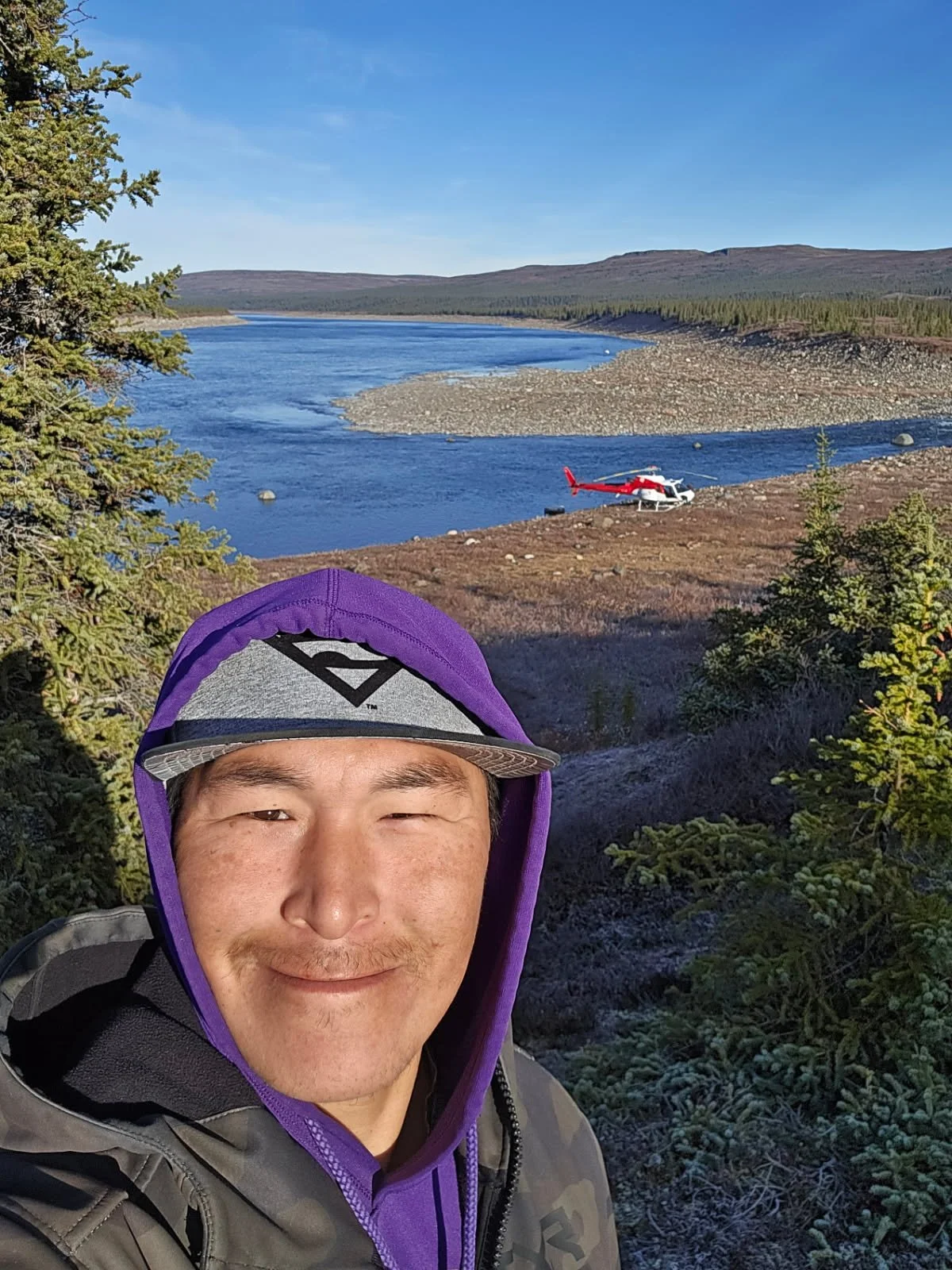
Eric Hitkolok
Workshop Facilitator: Movements and distributions of searun char I am Inuk and have fished for char near Kugluktuk all my life. I've worked on char tagging research with the Kugluktuk Hunters and Trappers Organization and the University of Waterloo since 2018. I've also received my own funding to research the health of char since 2021.
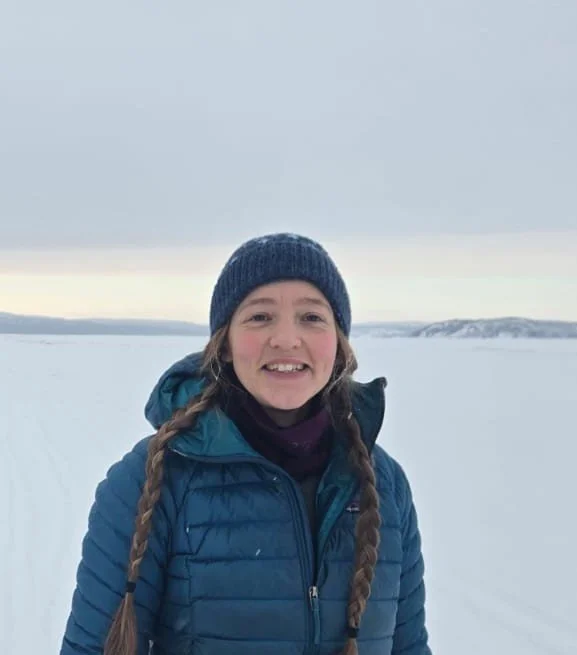
Rosie Smith
Workshop Facilitator: Movements and distributions of searun char Rosie is a postdoctoral fellow working with Heidi Swanson at University of Waterloo and living in Lutsel K'e, NWT. She has been working on char research with the Kugluktuk Hunters and Trappers Organization since 2018. She loves eating char, but is still not very good at catching them.
A
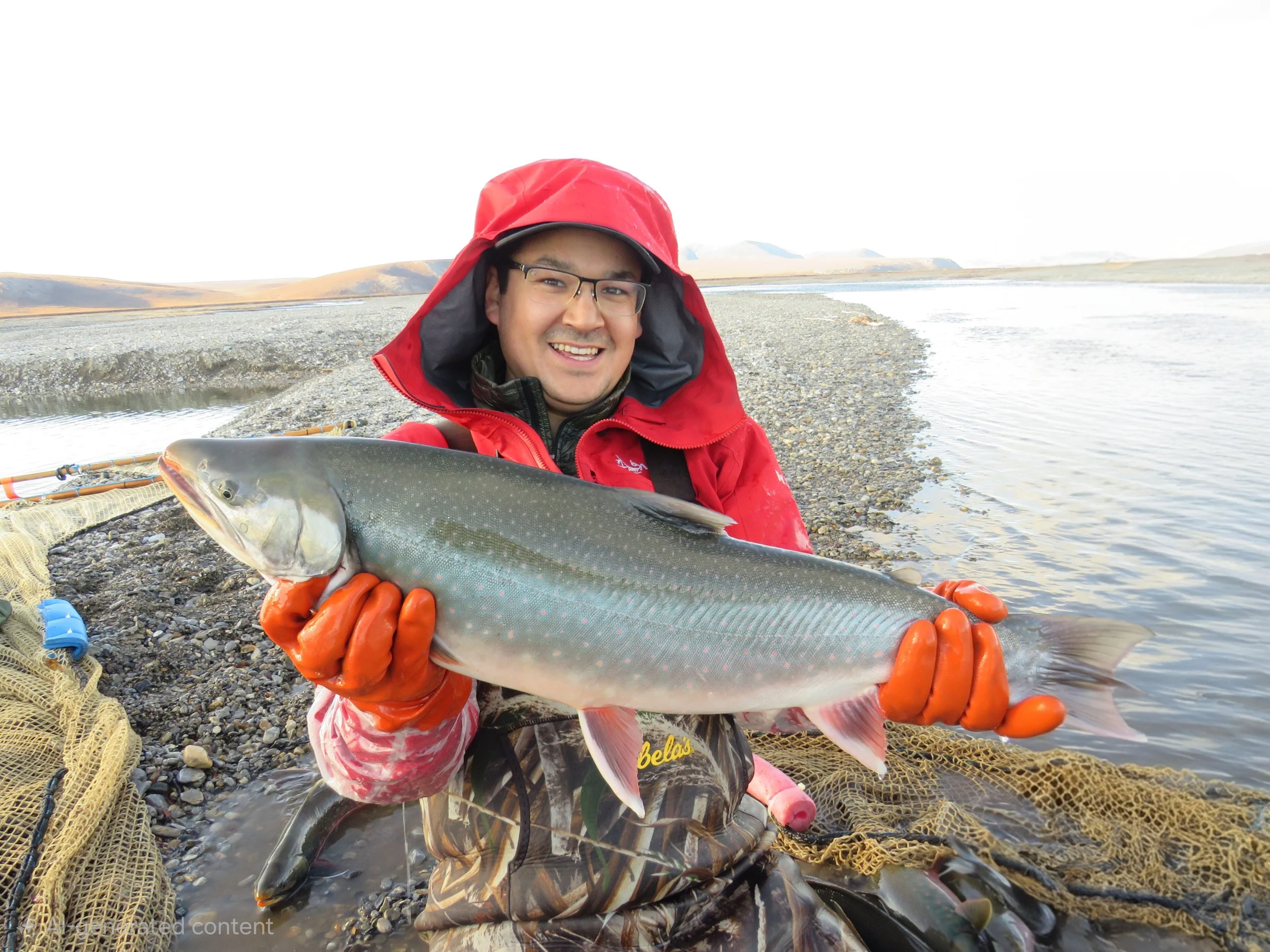
Paden Lennie
Hi my name is Paden Lennie, I am an Inuvialuit Beneficiary born and raised in Inuvik. Through my younger years, being from Inuvik and no easy access to Char, I didn't have much association other than knowing they taste delicious. As I began my career in the Environmental Science world, I began to see the importance Char had on our region and the cultural significance it had for many generations from the past to current and on to our future. My career began as a Herschel Island Park Ranger, giving me the opportunity to work with the Dolly Varden monitoring programs (Harvester Data collection), growing my passion to support the importance of Char in our region. In more recent years, working with Parks Canada, I have had the unique opportunity to have more of a direct support towards the Char Management and Monitoring Programs (Dolly Varden and Arctic), both in the field and at the working group levels.
Workshop Facilitator: Fish health: What we see and what we taste A
Panel A: Exploring the History and Context of Char Management
Tuesday February 24, 2026
3:30pm-5:00pm
Gerald Inglangasuk
(Jerry Lennie)
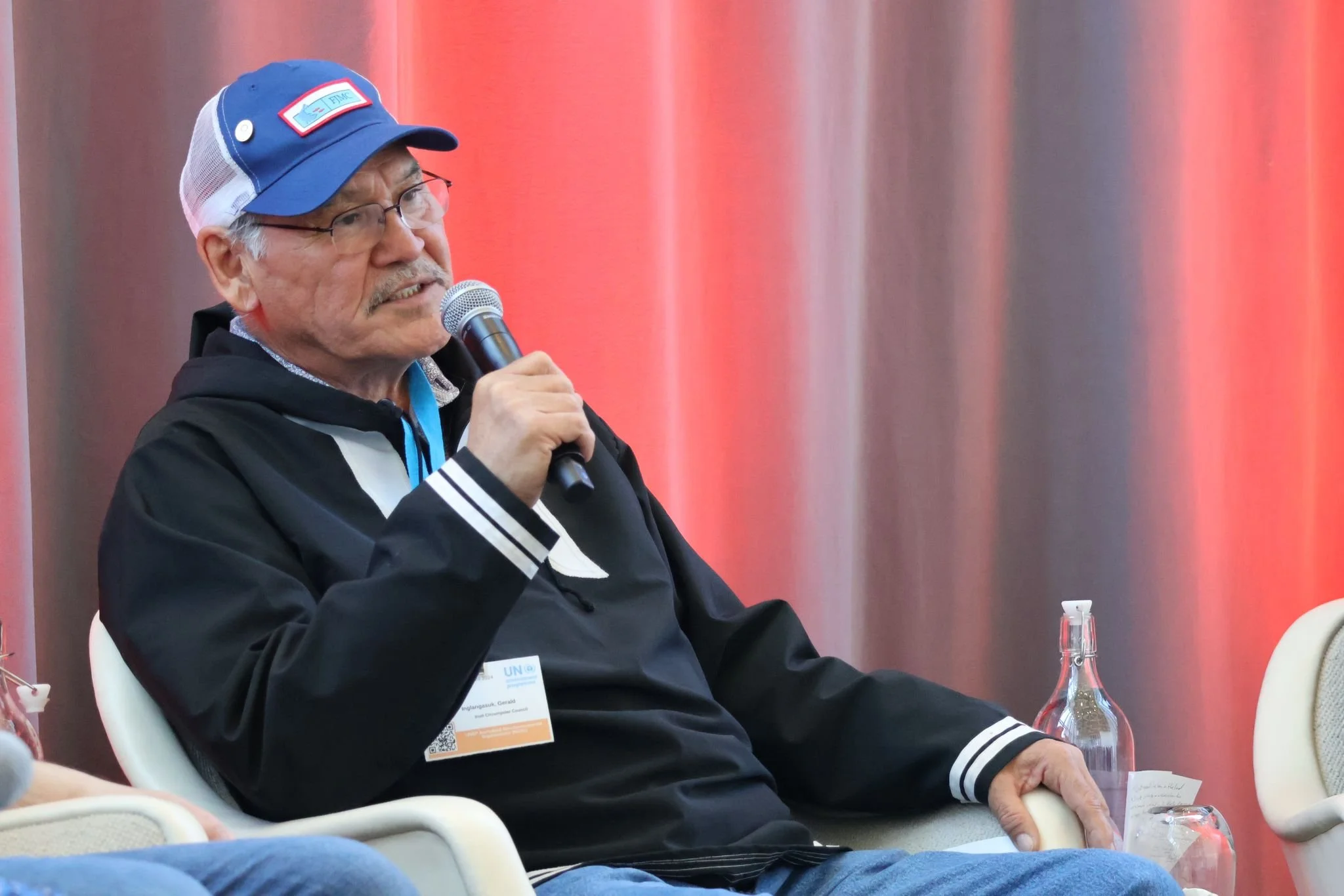
Moderator
Fisheries Joint Management Committee (FJMC)
I am on the FJMC board . This is my 4th term with FJMC ive been on the char and dolly varden files a couple of times. Ive lived in Inuvik, Aklavik and Tuktoyaktuk. Ive been on Aklavik Hunters and Trappers Committee and Inuvik Hunters and Trappers committee . Conservation and protecting our land and animals has always been my passion
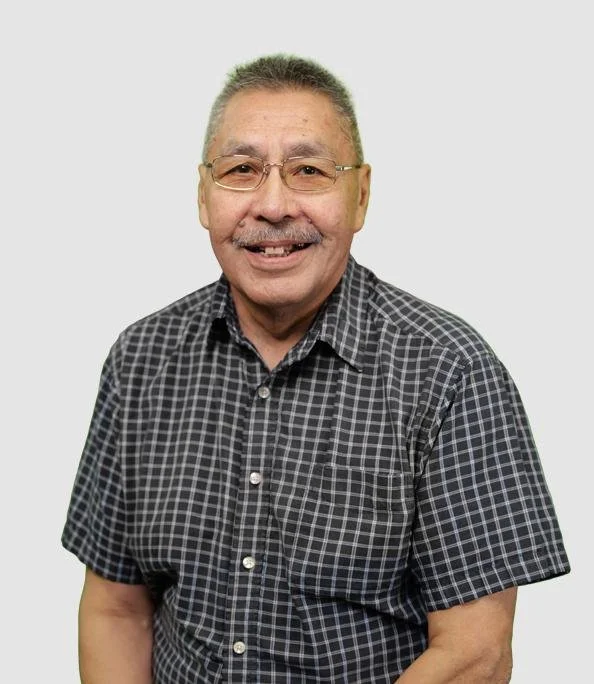
Robert Charlie-Tetlichi
Panelist
Chair, Rat River Working Group
Robert Charlie-Tetlichi was born in Fort McPherson, raised by his parents John Alfred Tetlichi (originally from Old Crow) and Annabella Robert (from Fort McPherson). Robert attended Residential School in Fort McPherson (Fleming Hall) and Inuvik (Stringer Hall). Robert spent his summers at their summer fish camp at Road River, learning traditional skills and conversing mainly in the Gwich’in language. Upon graduation, Robert attended the Adult Vocational Training Center in Fort Smith, taking a course in Basic Electronics. He then joined CN Telecommunications (Northwestel) and worked there as an electronics technician. Robert has been active as a Councillor for the Inuvik Native Band/Nihtat Gwich’in Council and a Director for the Gwich’in Tribal Council. Robert was the past GRRB Chairperson for over 15 years and was responsible for establishing the office in Inuvik. Robert is currently the Chief of the Inuvik Native Band. Robert would like to see our youth graduate from High School, pursue further studies at a post-secondary institution and return to work for our organizations. Youth should also learn their traditional cultural on-the-land skills. Robert looks forward to working with the Communities and Co-management partners on wildlife, fish and forest management.
A
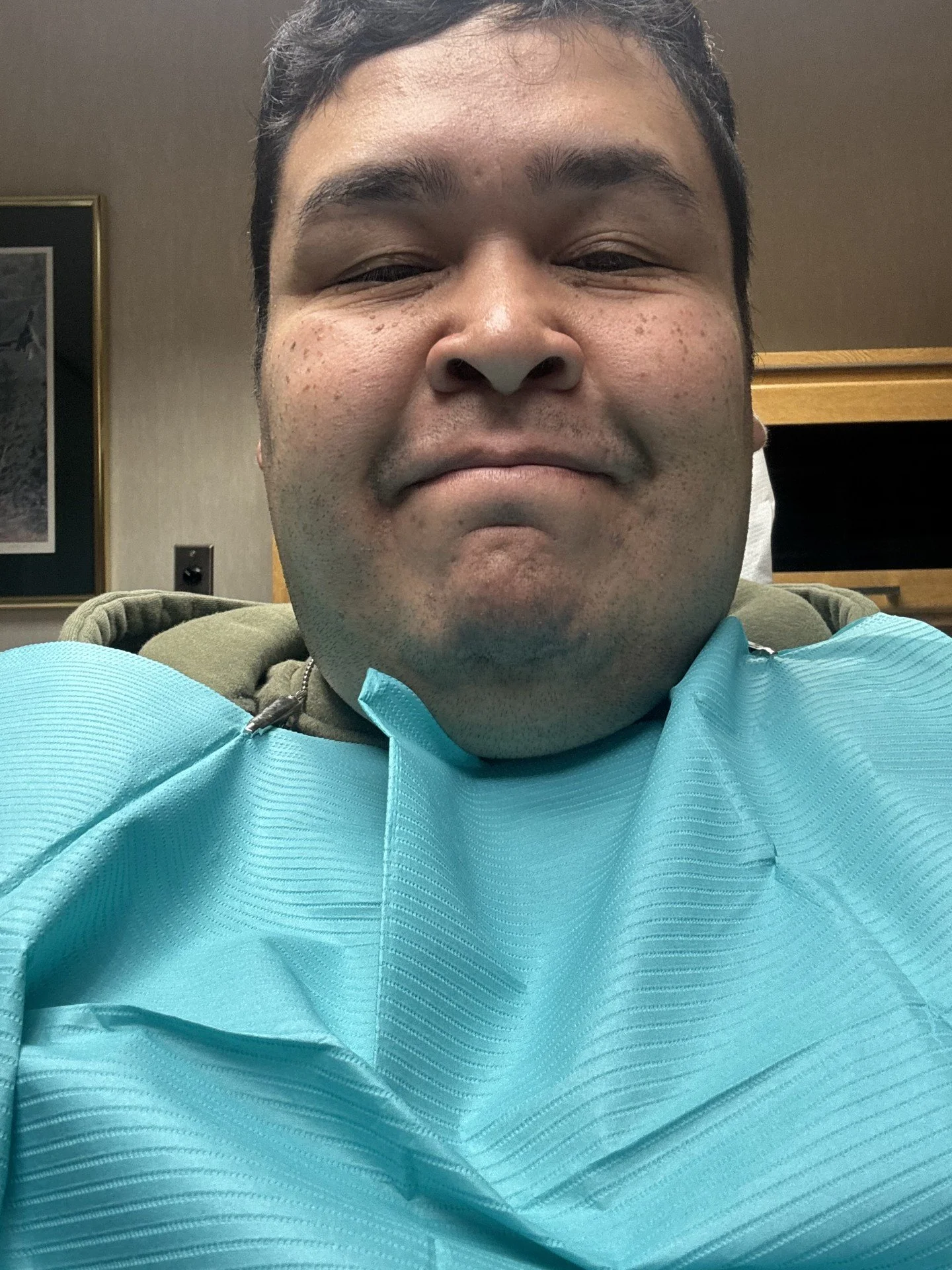
Johnnie Storr
Panelist
Chair, West Side Working Group
My name is Johnnie storr son to Billy and Lorna storr grew up in aklavik all my life, been fishing with my father since I was a young boy for char at the mouth of husky river every fall and have been the char monitor for a few years and sat with a lot of elders and heard many stories about the fall fishing in our area
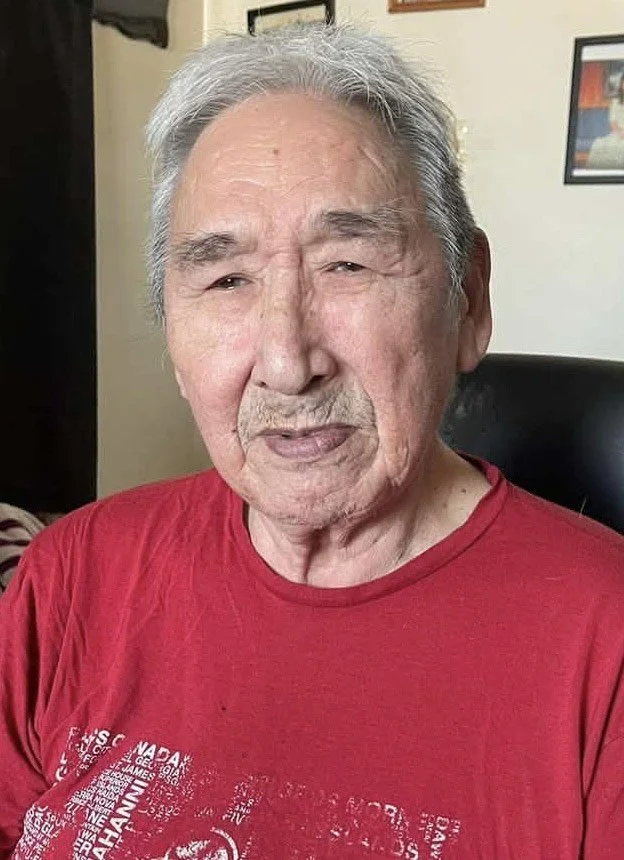
Noel Green
Panelist
Chair, Paulatuk Char Working Group
Noel Green is a harvester from Paulatuk, NWT.
A
Kevin Bill
Panelist
Senior Fisheries Management Advisor, Fisheries and Oceans Canada
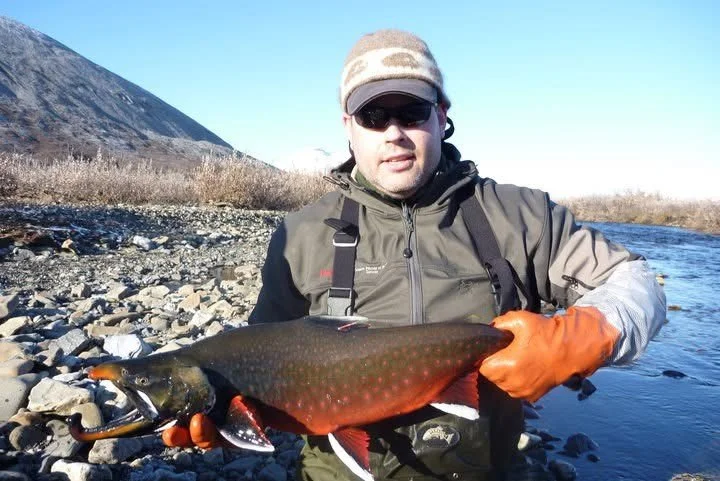
Kevin was introduced to Char management in the Western Arctic when he joined the Fisheries Joint Management Committee as Resource Biologist in 2002, supporting the Committee’s participation in the various char working groups in the ISR. He moved to DFO as Fisheries Management Biologist in 2007 and represented the Department on those same Committees, and others in the GSA, until 2010 when he relocated to Sarnia Ontario. With the creation of DFO Arctic Region in 2018 he was provided the opportunity to support the implementation of the new region, most recently supporting Fisheries Management in the Western Arctic.
Panel B: Working Together to Conserve Char
Wednesday February 25, 2026
9:00am-10:30pm
Heidi Swanson
Moderator
Wilfrid Laurier University
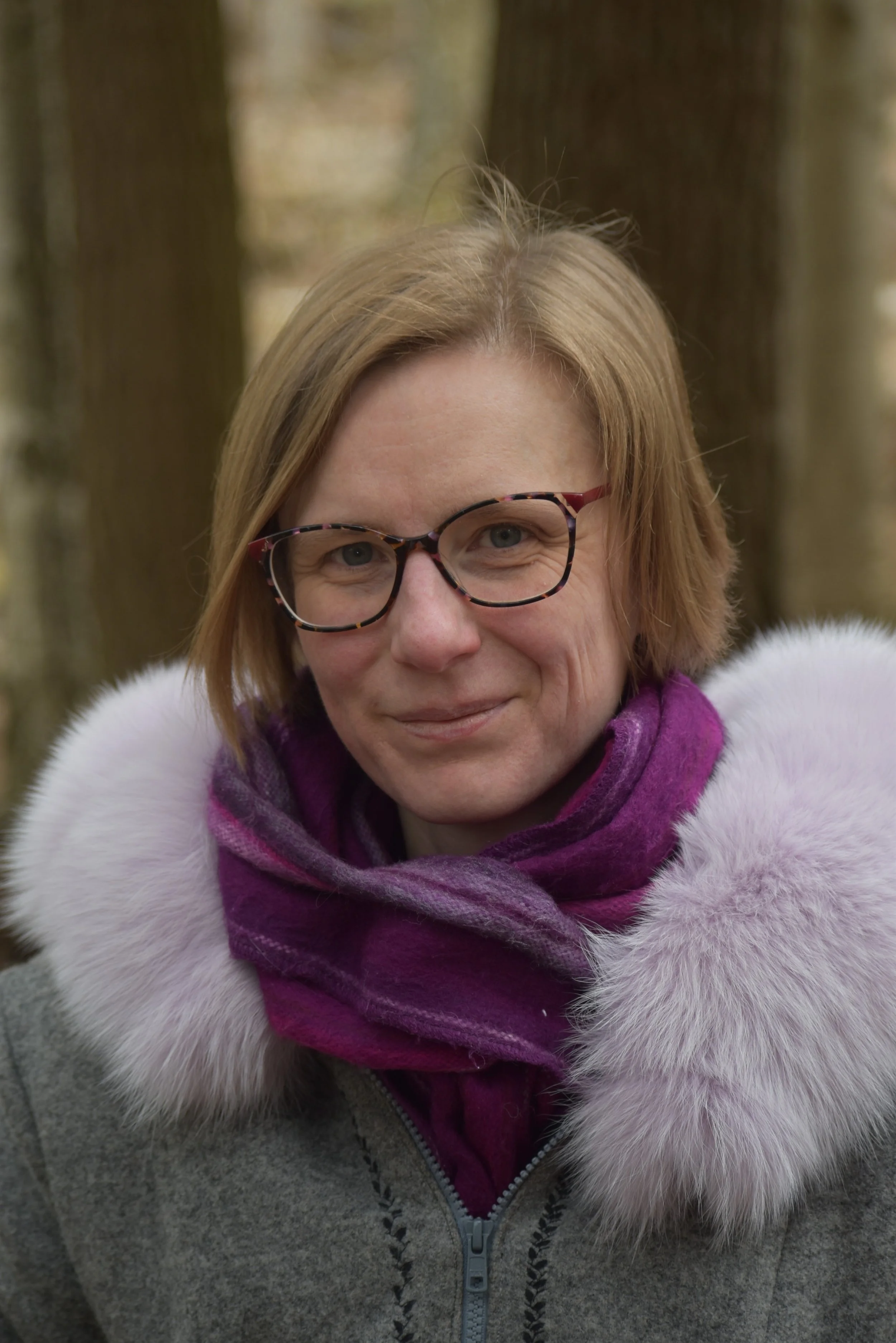
Heidi is a scientist who has been working to understand the diet and movement of chars in the Kitikmeot Region for ~ 20 years. She currently works at Wilfrid Laurier University.
Richard Gordon
Panelist
Senior Park Ranger, Herschel Island–Qikiqtaruk Territorial Park
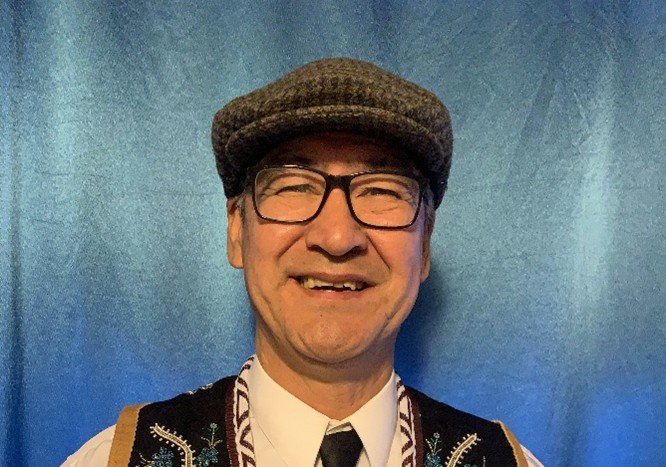
Richard R Gordon was born & raised in Aklavik. He worked on Qikiqtaruk Territorial Park 25 yrs. He has worked with Dolly Varden Char taking sample and traditional harvesting.
A
Tristan Pearce
Panelist
University of Northern British Columbia
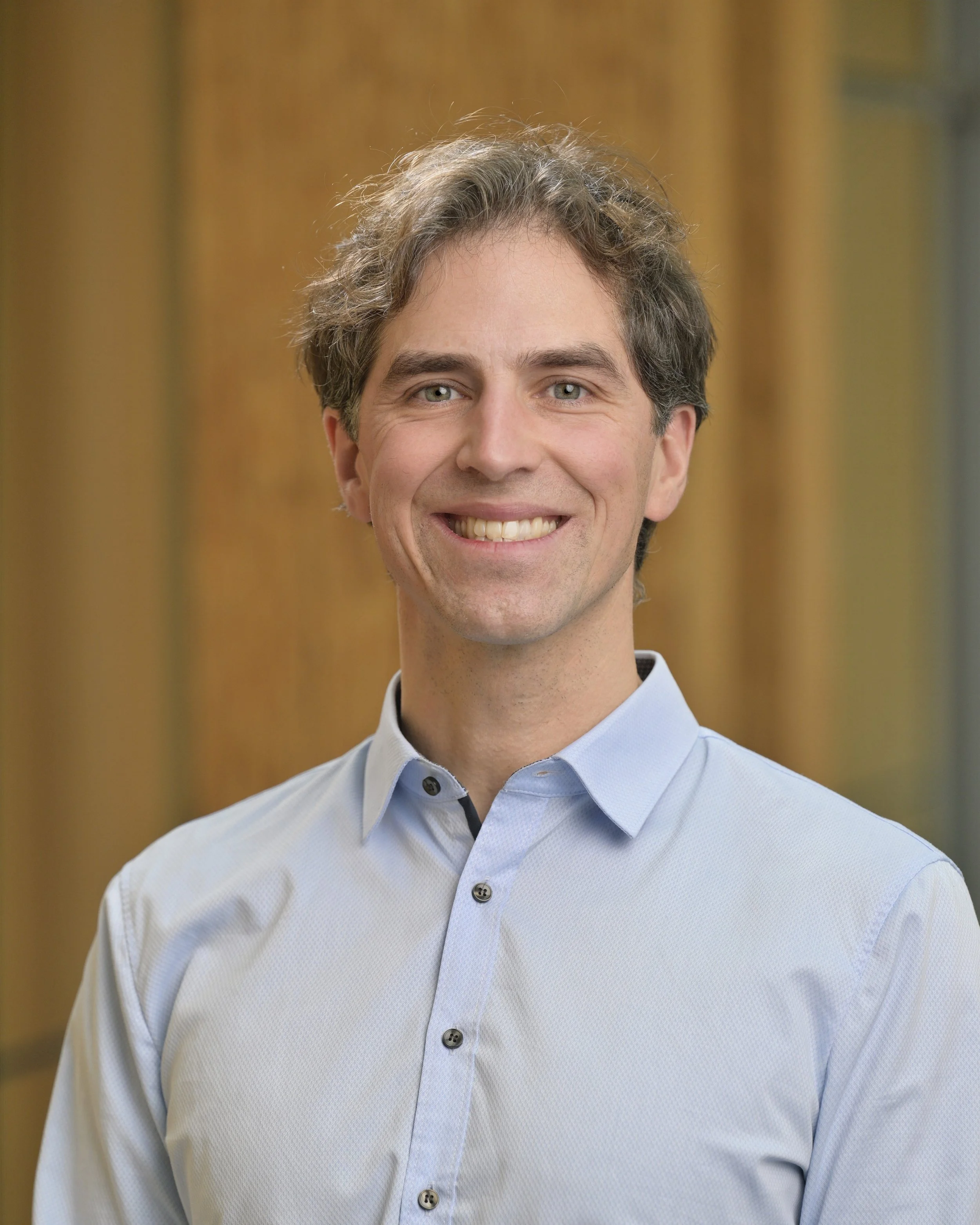
Tristan Pearce is a Professor in the Geography Program at the University of Northern British Columbia, where he is also the Canada Research Chair in the Cumulative Impacts of Environmental Change. His research links scientific and traditional knowledge to better understand ecosystem changes and implications for livelihoods in the Arctic. More recently, he worked with Inuit in Ulukhaktok to investigate reported changes in anadromous Arctic char in the Amundsen Gulf.
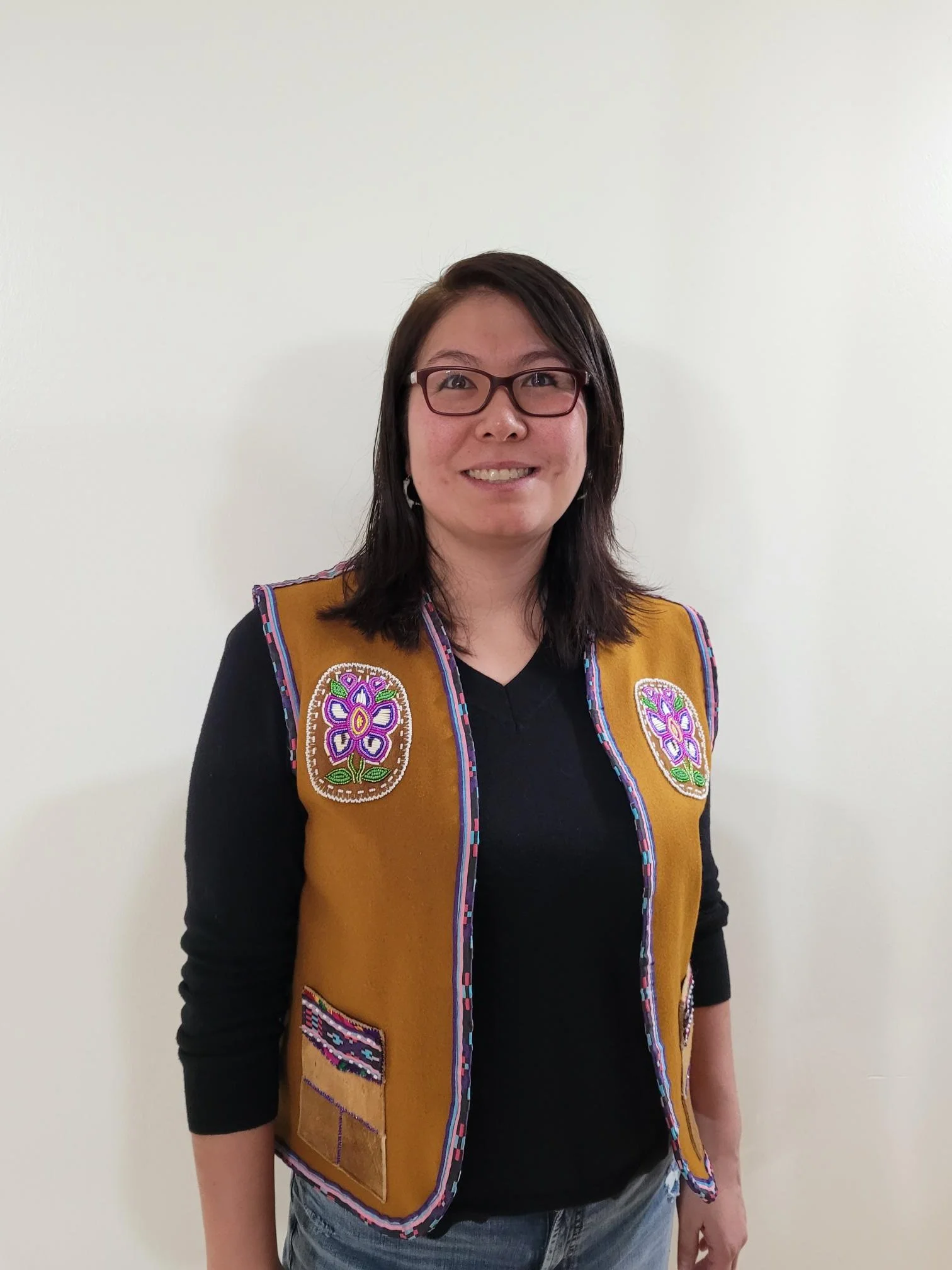
Amy Amos
Panelist
Regional Director General for the Department of Fisheries and Oceans (DFO) Arctic Region
Amy is from the Gwich’in First Nation and was born in Inuvik, NT. She is currently the Regional Director General for the Department of Fisheries and Oceans (DFO) Arctic Region. As a northerner, she has a deep appreciation for, and knowledge of the Arctic.
A
Workshop Block 3
Wednesday February 25, 2026
11:00am- 12:15pm
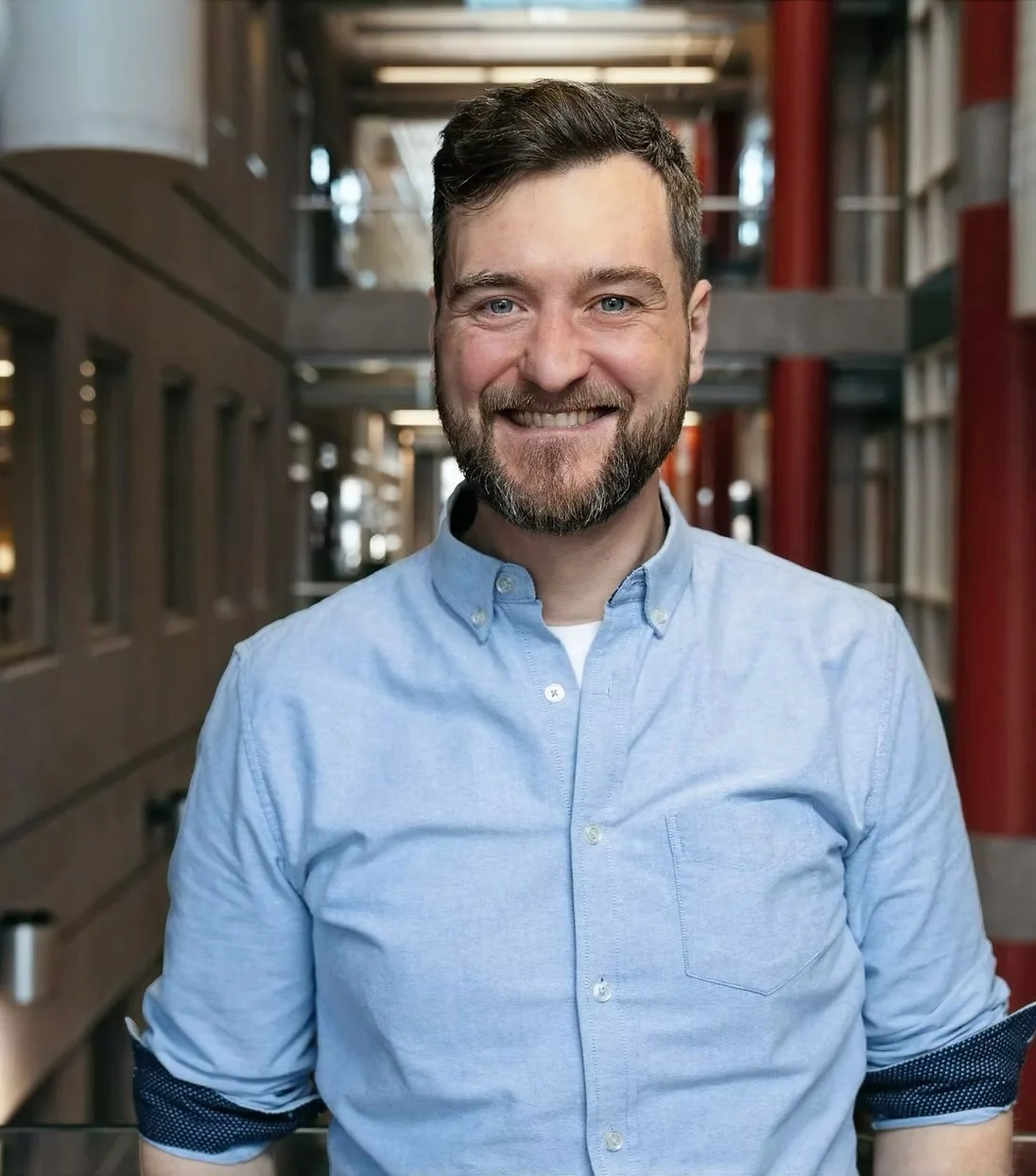
Jean-Sébastien Moore
Workshop Facilitator: Genetic data in support of northern fisheries Jean-Sébastien Moore is an Associate Professor and Canada Research Chair in Integrative Biology of Northern Aquatic Resources at Laval University in Québec City. His research focuses on the applications of genomics and acoustic telemetry to inform the conservation and management of native northern fishes. For almost two decades now, he has collaborated extensively with Fisheries and Oceans Canada and Inuit communities to study the ecology and evolution of Arctic Char.
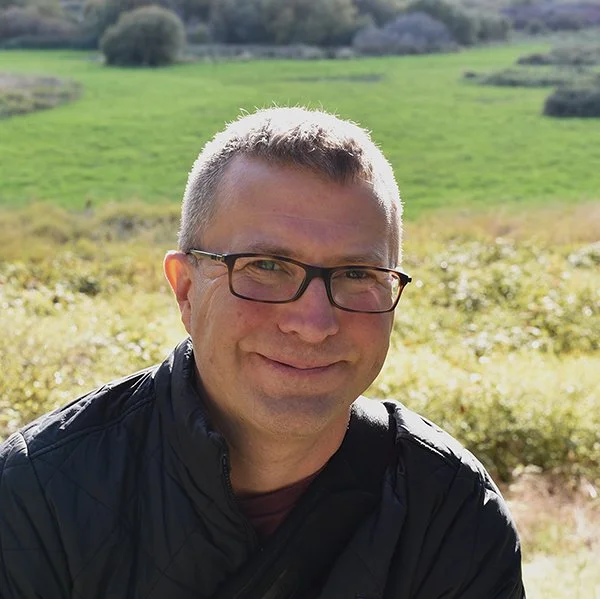
Trevor Lantz
Workshop Facilitator: Landscape change in Beaufort Delta Region and its implications for fishTrevor Lantz is a terrestrial ecologist based at the University of Victoria, where he leads the Arctic Landscape Ecology Lab. His research team combines remote sensing, field studies, and collaborations with Indigenous knowledge holders to understand landscape change and it is impacts on northern communities.
A

Suzanne Tank
Workshop Facilitator: Landscape change in Beaufort Delta Region and its implications for fishSuzanne Tank is a freshwater scientist from the University of Alberta. She has worked in the western Canadian Arctic since 2005, and on thaw slumps in the Gwich’in Settlement Area since 2014 to better understand how permafrost thaw affects streams and lakes.
Steve Kokelj
Workshop Facilitator: Landscape change in Beaufort Delta Region and its implications for fishSteve Kokelj is a permafrost scientist based at the NWT Geological Survey in Yellowknife. His research program explores permafrost conditions, landscape change, and the influence of permafrost on infrastructure. Steve is also interested and making geoscience information accessible to the public.
A
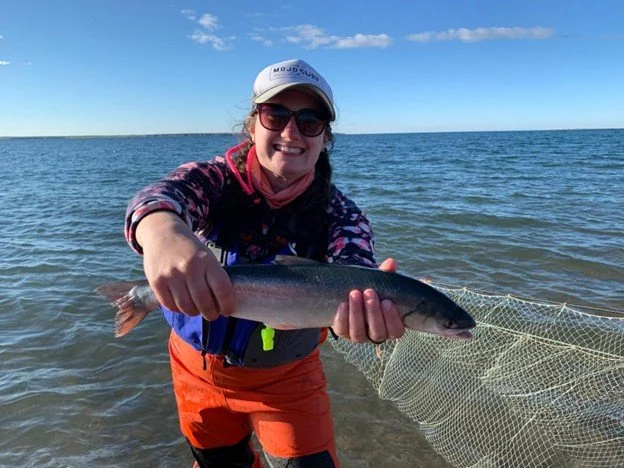
Laurissa Christie
Workshop Facilitator: Sharing knowledge to better understand distribution changes of Arctic & subarctic fishFor the past six years, I have been a biologist with DFO leading a community-led monitoring program known as ‘Arctic Coast.’ My interest in Arctic ecosystems was sparked as a teenager on a fieldtrip to Nunavut where I learned about climate change and how it is impacting Arctic communities. Arctic char reminds me of the many days at camp in the ANMPA and the excitement the group shares when we pull one out of the net.
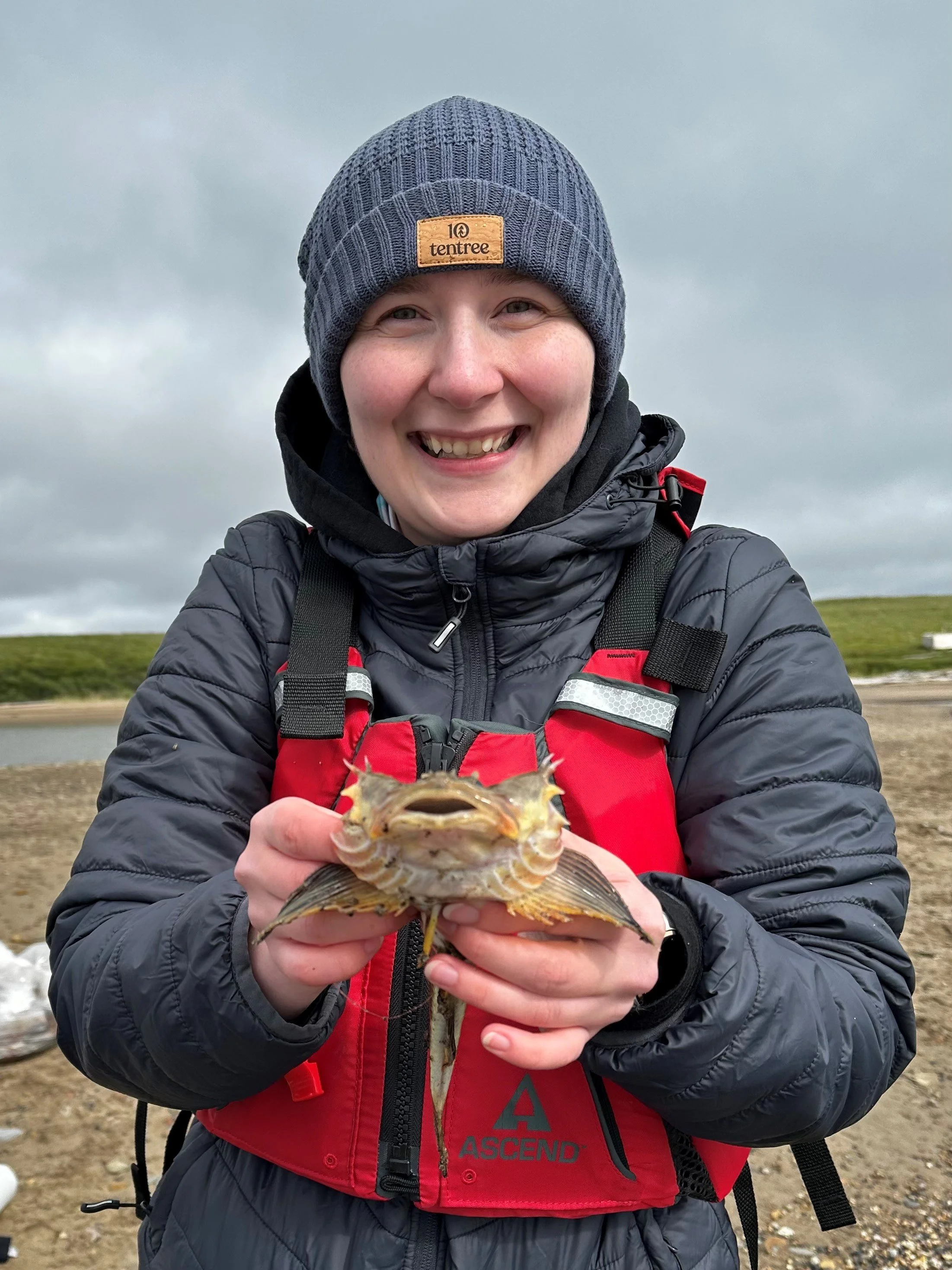
Caitlyn Friesen
Workshop Facilitator: Sharing knowledge to better understand distribution changes of Arctic & subarctic fishI started my MSc in January of 2025, where I have since worked on my thesis focusing on Pacific salmon marine habitat use in the Beaufort Sea and diet overlap with Arctic char. I will be investigating the potential for diet overlap between endemic Arctic char and range-expanding sockeye salmon off the coast of Ulukhaktok. I appreciate the resilience of Arctic char and their ability to thrive in Northern environments.
A
Zoé Stacey
Workshop Facilitator: Our current understanding of Arctic fish health and plans for future researchZoé Stacey is a veterinarian with a specialty in fish health. She is a research scientist with Polar Knowledge Canada, working to determine health and disease status of char and salmon populations in the Arctic. She lives in Whitehorse.
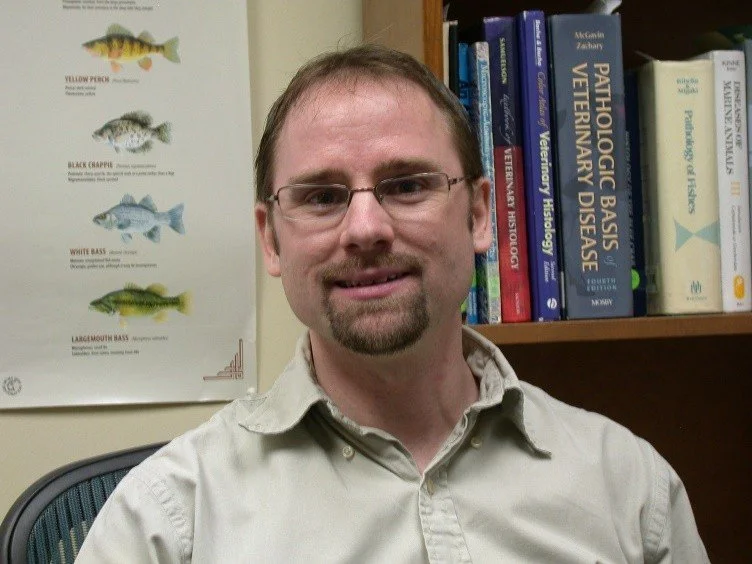
Jayde (JD) Ferguson
Workshop Facilitator: Our current understanding of Arctic fish health and plans for future researchJayde (JD) Ferguson is the Fish Pathologist for the Alaska Department of Fish and Game, based in Anchorage. The department’s Fish Pathology Program oversees fish health for both cultured and wild finfish and shellfish across the state. Dr. Ferguson works with a wide range of species, including Dolly Varden, Arctic Char, and Lake Trout. In addition to his work in Alaska, Dr. Ferguson provides transboundary fish health services
A
Interactive Group Activity: Life Cycle of a Char
Wednesday February 25, 2026
1:30pm-3:00pm
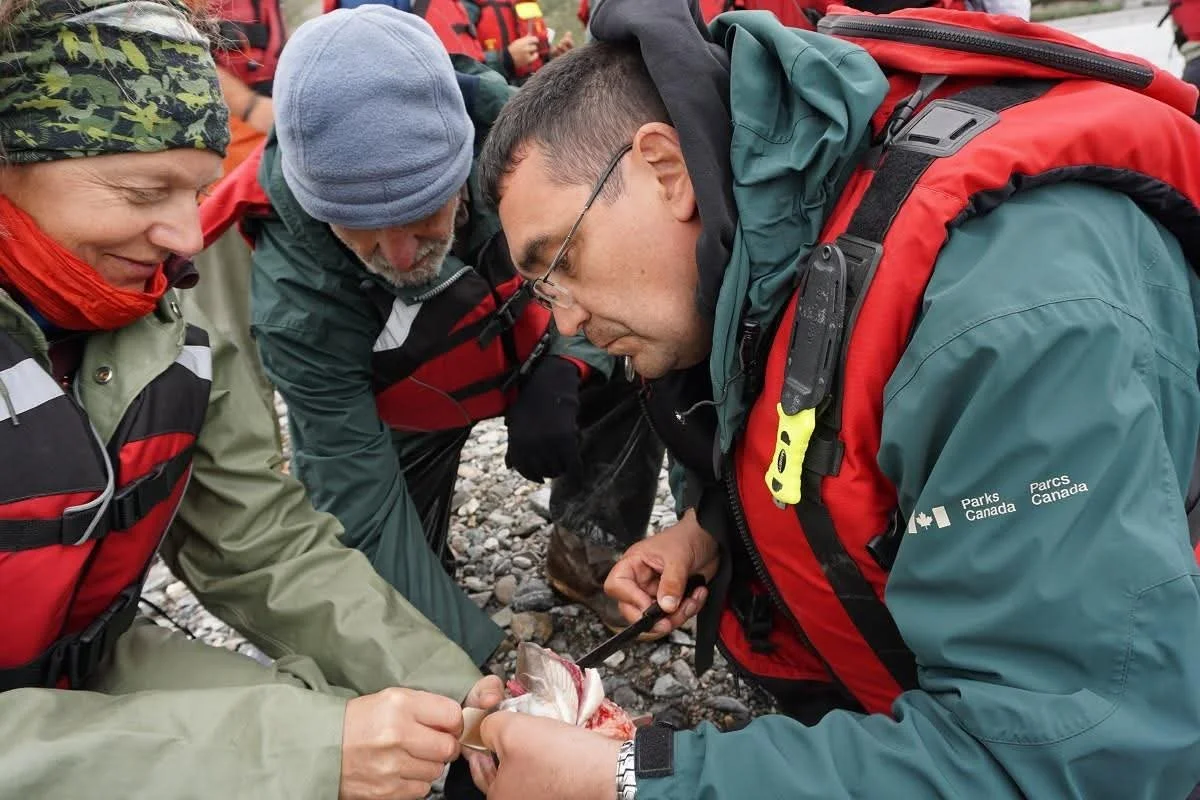
David Haogak
Activity Facilitator
Parks Canada
My name is David Haogak, I was raised in Sachs Harbour, NT and I am currently living in Inuvik, NT. I have harvested and eaten Arctic and Dolly Varden char all my life and consider it a keystone species of fish for the Inuvialuit people in the region. I have helped tag and monitor thousands of char and have helped collect otoliths ever since I started with Parks Canada.
A
Panel C: Elder’s Panel
Wednesday February 25, 2026
3:30-5:00pm
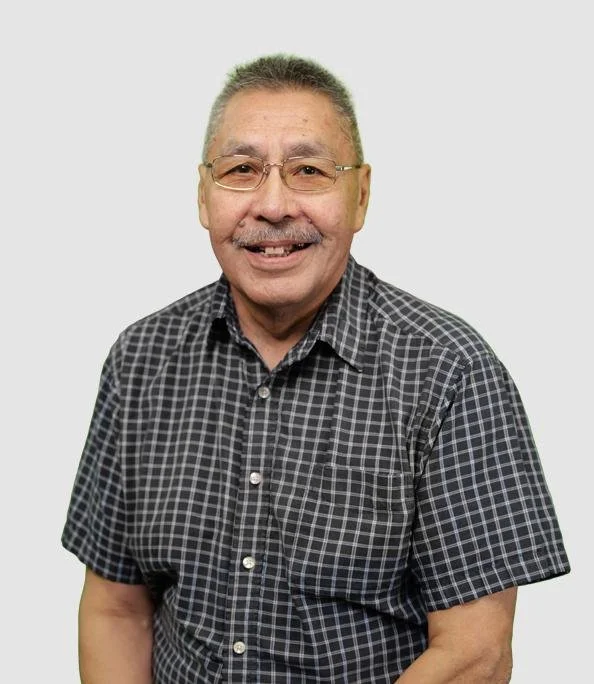
Robert Charlie-Tetlichi
Moderator
Chair, Gwich'in Renewable Resources Board
Robert Charlie-Tetlichi was born in Fort McPherson, raised by his parents John Alfred Tetlichi (originally from Old Crow) and Annabella Robert (from Fort McPherson). Robert attended Residential School in Fort McPherson (Fleming Hall) and Inuvik (Stringer Hall). Robert spent his summers at their summer fish camp at Road River, learning traditional skills and conversing mainly in the Gwich’in language. Upon graduation, Robert attended the Adult Vocational Training Center in Fort Smith, taking a course in Basic Electronics. He then joined CN Telecommunications (Northwestel) and worked there as an electronics technician. Robert has been active as a Councillor for the Inuvik Native Band/Nihtat Gwich’in Council and a Director for the Gwich’in Tribal Council. Robert was the past GRRB Chairperson for over 15 years and was responsible for establishing the office in Inuvik. Robert is currently the Chief of the Inuvik Native Band. Robert would like to see our youth graduate from High School, pursue further studies at a post-secondary institution and return to work for our organizations. Youth should also learn their traditional cultural on-the-land skills. Robert looks forward to working with the Communities and Co-management partners on wildlife, fish and forest management.
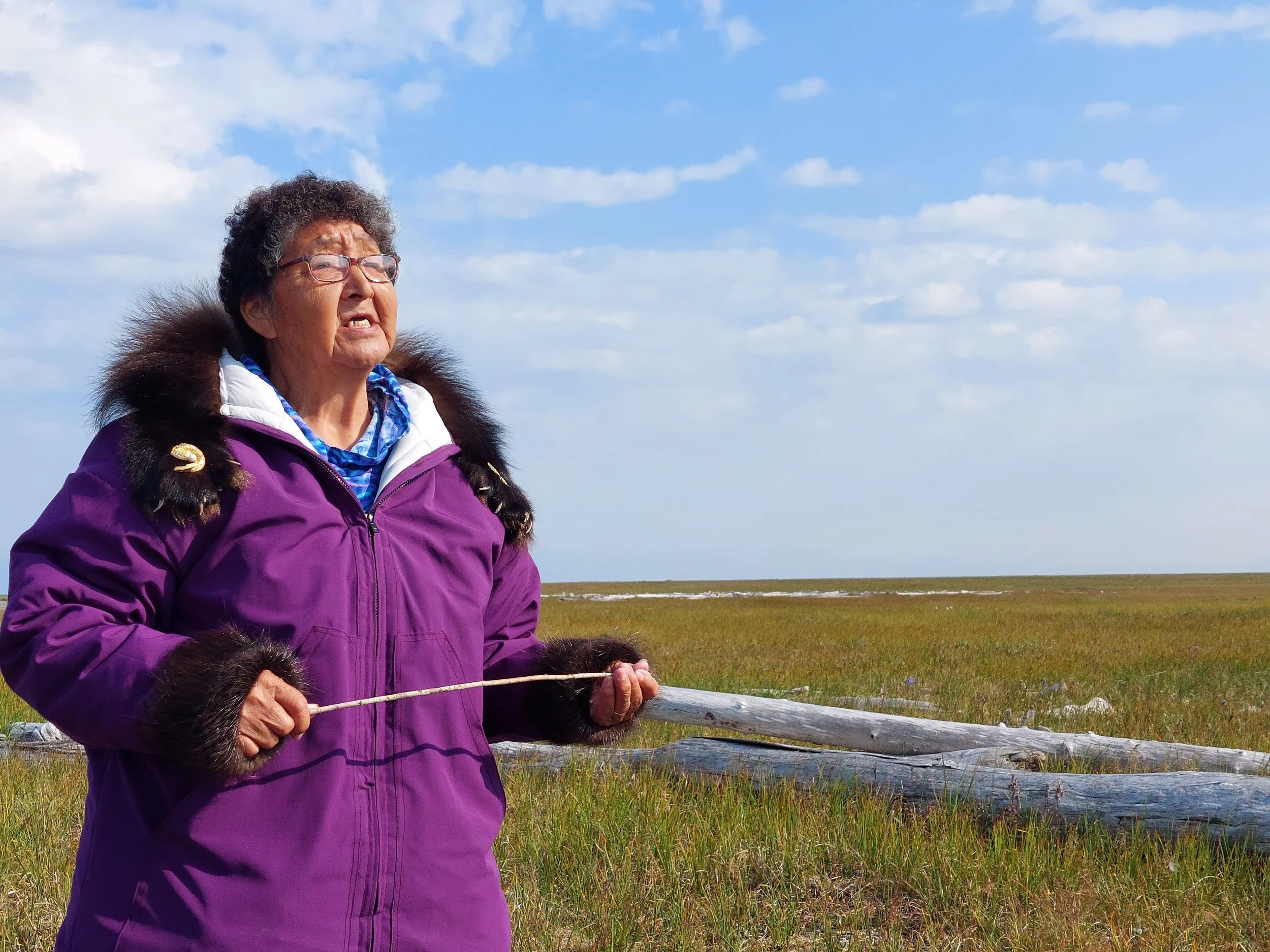
Nellie Arey
Panelist
Community of Aklavik
Nellie Arey was born in Aklavik and raised by her grandad in the area around Qikiqtaruk and Ptarmigan Bay. They spent a lot of time hunting, trapping, and prospecting for gold, travelling up the Firth River valley every summer. Since 1959 Nellie has remained in Aklavik, but still manages to get up to the coast.
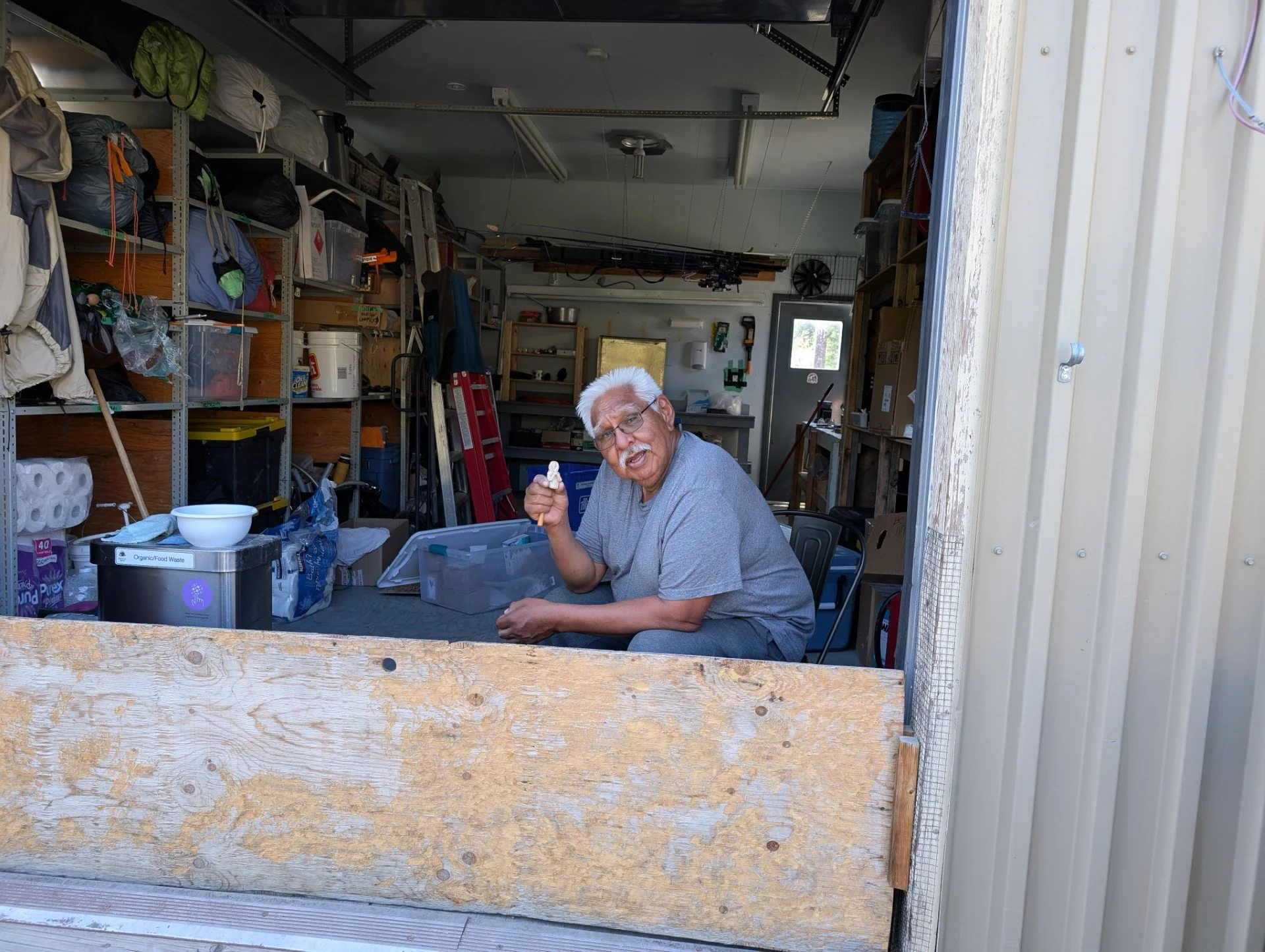
Billy Archie
Panelist
Community of Aklavik
Billy was born and raised in Aklavik, and spent much of his time following his parents on the land, hunting and trapping. Billy studied at the University of Alaska Fairbanks for two semesters and was one of the founding directors of the Aklavik Hunters and Trappers Committee. He has served on and off as the president from 1988 to 2008. Billy believes very strongly in the knowledge of his elders and promotes traditional knowledge as one of the most critical wildlife management tools.
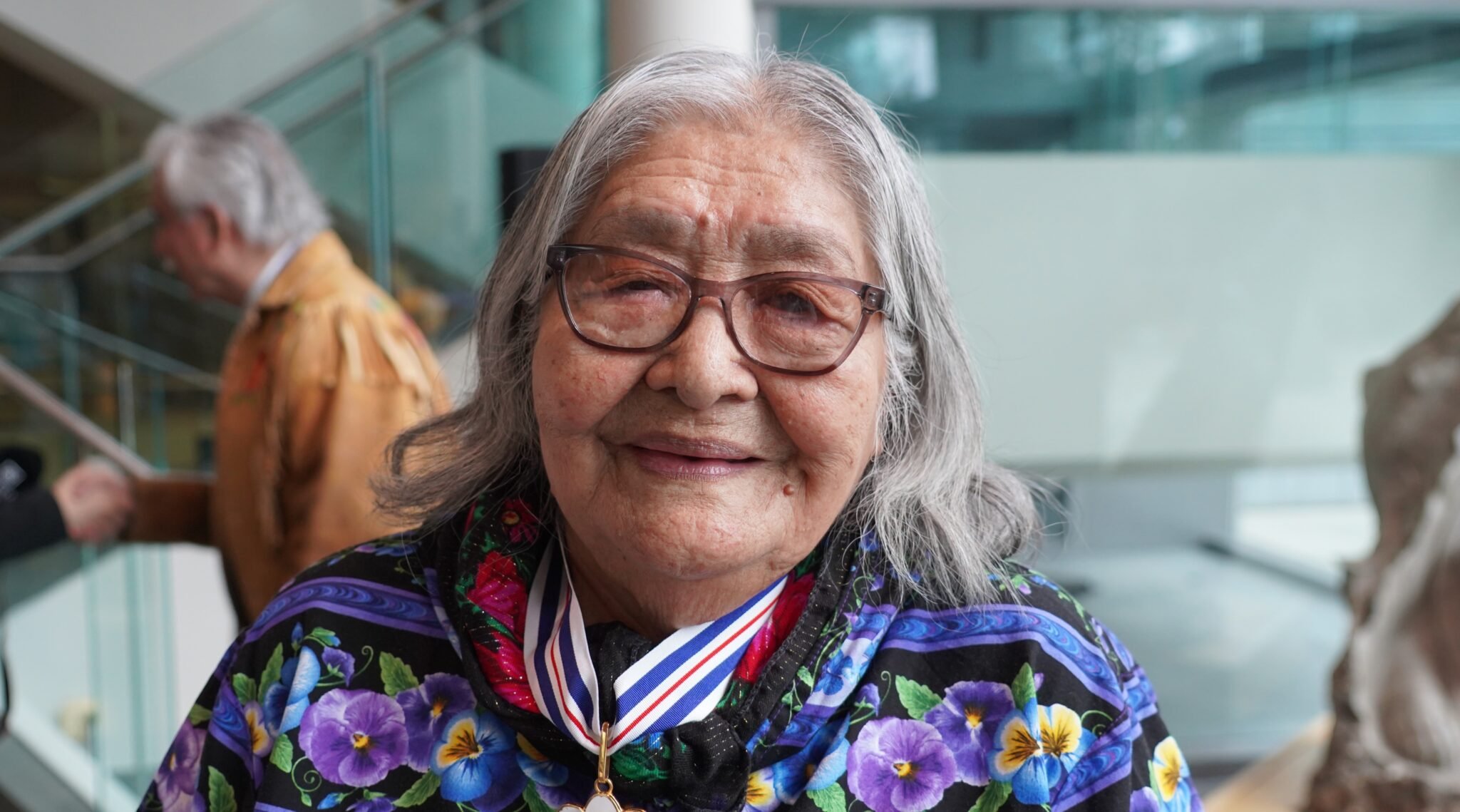
Mary Teya
Panelist
Community of Fort McPherson
Mary Teya Teya, from Fort McPherson, is renowned for her advocacy for elders, utilizing her Gwich’in Language to share its knowledge and engage in a wide range of community initiatives. Miss Teya has served on the Tetlit Gwich’in Band Council and the NWT Elders Committee, and contributed to the Justice Committee and Housing Board of Directors.
A